Aug 17, 2026Buying Guides
Pot Still vs Column Still: How to Choose the Right Still for Your Craft
Pot still vs column still — which one fits your whiskey, gin, rum or vodka brand? Compare flavor, purity, yield and cost, and see why hybrid stills are the smart choice for growing craft distilleries.
Pot Still vs Column Still: How to Choose the Right Still for Your Craft Distillery
Ask ten master distillers whether you should buy a pot still or a column still, and you will get eleven opinions. The truth is less romantic and more practical: the right still is the one that matches the spirit you want to sell, the volume you need to produce, and the budget you actually have.This guide breaks down the real differences between pot stills and column (reflux) stills — flavor, purity, throughput, and cost — so you can make a decision your balance sheet and your customers will both thank you for.
What Is a Pot Still?
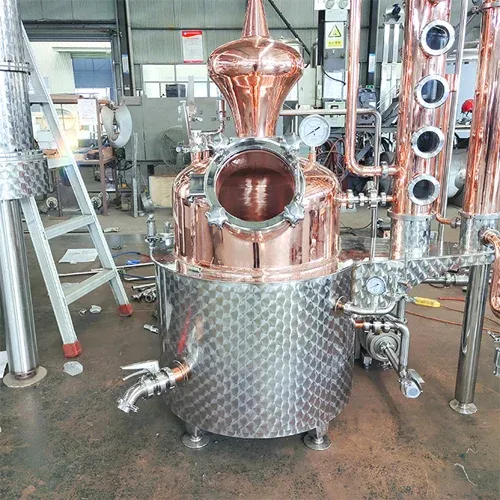
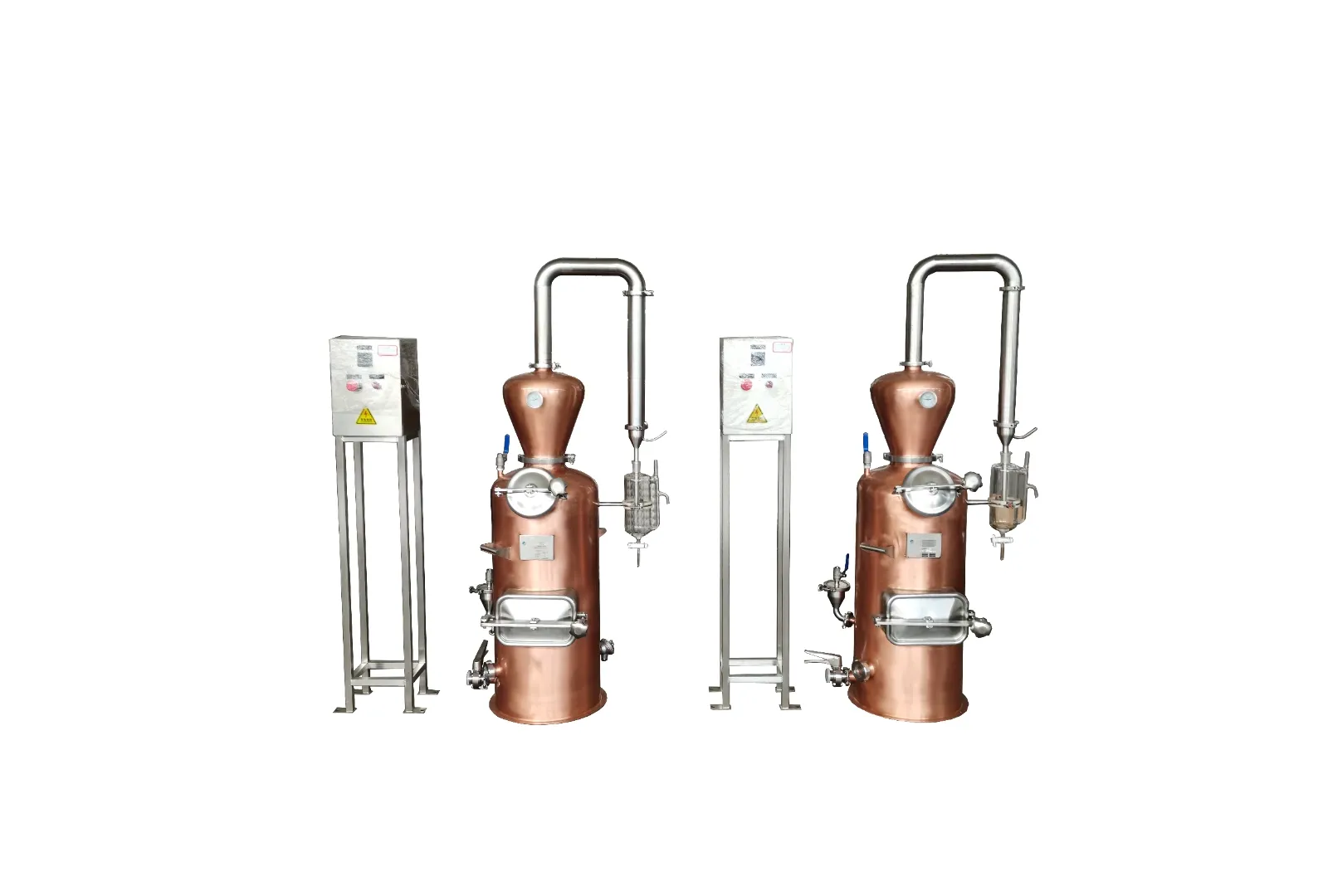
A pot still is the oldest distillation design in the world: a copper kettle (the "pot"), a swan neck or lyne arm, and a condenser. You fill it, heat it, collect the distillate in fractions — heads, hearts, tails — and typically run it two or three times to reach drinking strength.Key characteristics:
- Batch process: one run at a time, then clean and refill
- Lower ABV output: typically 60–80% ABV after double distillation
- Maximum flavor carryover: congeners, esters, and oils survive the run — this is exactly what gives single malt whisky, cognac, and pot-still rum their character
- Hands-on craft: the distiller's cut decisions directly shape the final spirit
If your brand story is built on flavor, terroir, and tradition, a copper pot still is not just equipment — it is part of the product.
What Is a Column Still?
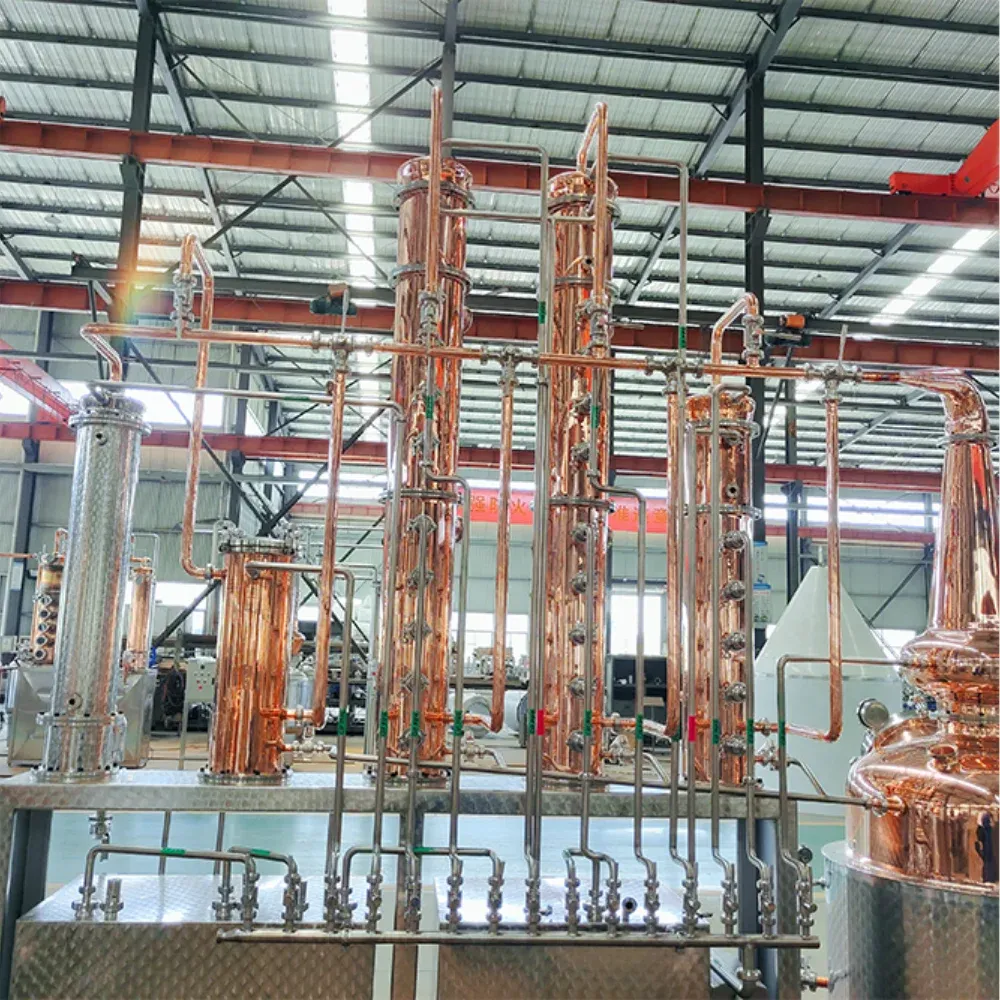
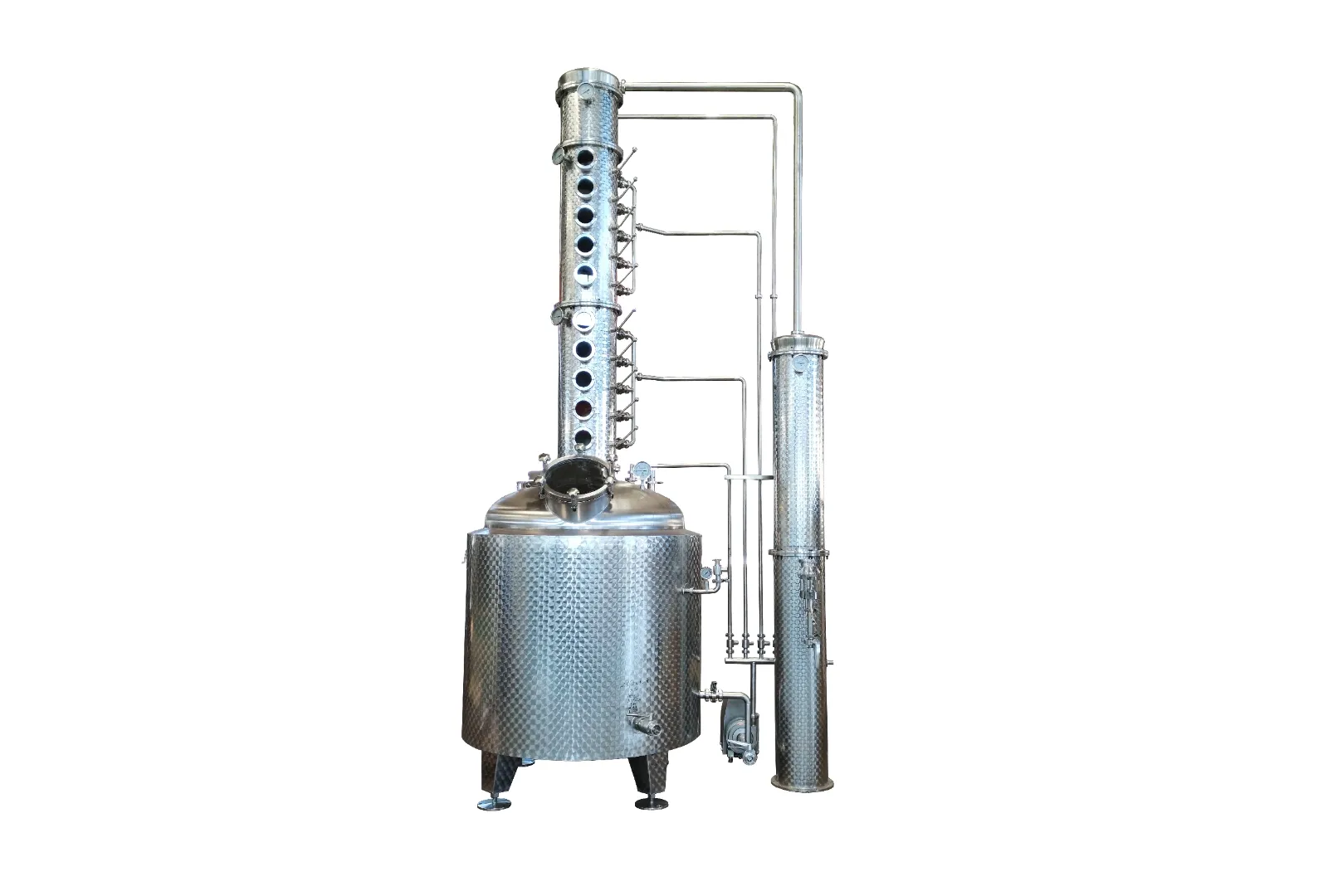
A column still (also called a continuous, Coffey, or reflux still) adds a vertical column packed with plates or structured packing. Vapor rises, reflux condenses and re-distills on each plate, and only the lightest, purest fraction exits the top.Key characteristics:
- Continuous or high-throughput operation: feed in, spirit out, all day long
- High ABV output: up to 95–96% ABV in a single pass
- Maximum purity: strips out congeners to produce clean, neutral spirit
- Consistency: once dialed in, every liter tastes the same
Vodka, neutral grain spirit, and light rum are column-still territory. If your business model depends on volume and purity, a column still is the workhorse you need.
Pot Still vs Column Still: Side-by-Side Comparison
Factor | Pot Still | |
|---|---|---|
Output ABV | 60–80% (double distilled) | Up to 96% |
Flavor retention | High — rich, complex | Low — clean, neutral |
Process | Batch | Continuous / high-throughput |
Labor intensity | Higher (cuts, multiple runs) | Lower (set and monitor) |
Energy per liter | Higher | Lower at scale |
Best for | Whiskey, brandy, dark rum, schnapps | Vodka, neutral spirit, light rum |
Typical price point | Lower entry cost | Higher, but better yield at volume |
The Deciding Questions
Before you compare quotes, answer these four questions honestly:
1. What spirit pays your bills?
Whiskey and brandy demand the flavor that only pot distillation preserves. Vodka demands neutrality that only plates can deliver. Gin sits in between — you need a neutral base (column work) plus botanical expression (often a pot or a vapor basket).
2. What is your realistic monthly volume?
A 300L pot still producing double-distilled whiskey might yield 40–60 liters of hearts per day. A comparably priced column system can produce several times that in neutral spirit. Match capacity to your sales forecast, not your ambition.
3. How much labor can you afford?
Batch distillation is beautiful, but it is also shifts of human attention. If you are a two-person operation, a system that runs itself for eight hours matters.
4. Where will you be in three years?
This is where most startups get it wrong. Buying a pot-only system locks you out of the vodka and gin market — the very products that generate fast cash flow while your whiskey sleeps in barrels.
Why Hybrid Stills Are Winning in 2026
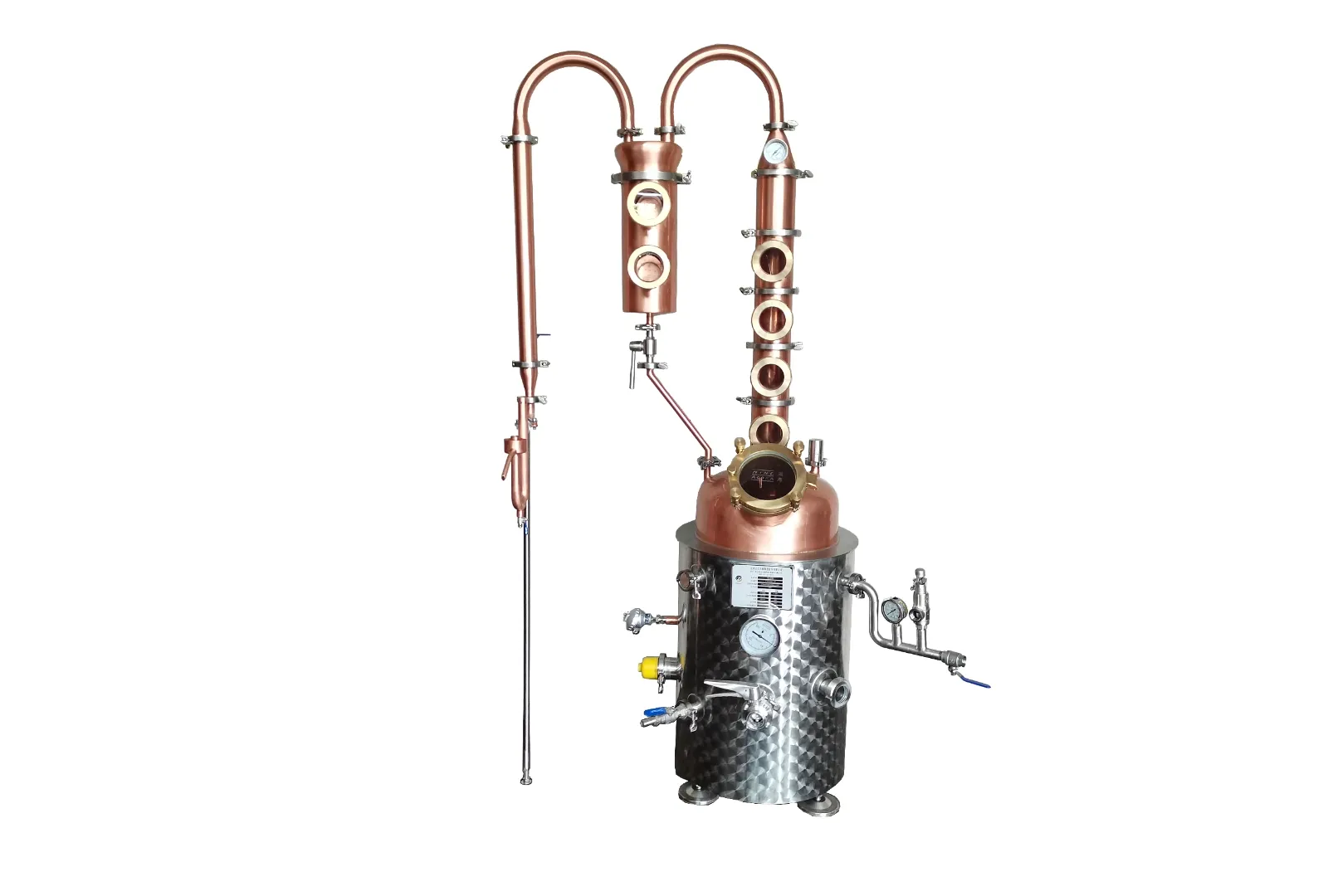
The fastest-growing segment of the craft equipment market is the hybrid still: a copper pot base with a detachable multi-plate column. Run it pot-mode for whiskey on Monday, bolt on the column and push to 95% ABV for gin base on Wednesday.A hybrid system like the TGD G300 gives a startup distillery three revenue streams — whiskey, gin, and vodka — on a single skid, with red copper where it matters for sulfur neutralization and stainless steel where durability counts. For most first-time distilleries, this flexibility is worth more than any single optimization.
Frequently Asked Questions
Is a pot still or column still better for whiskey?
Traditional single malt and pot-still whiskey require a pot still — the flavor profile legally and sensorially depends on it. Grain whiskey and bourbon-style spirits often use columns or a combination of both.
Can I make vodka on a pot still?
Not practically. Reaching the 95%+ ABV neutrality the market expects from vodka requires many distillation passes on a pot still, destroying your economics. You need plates.
What size still should a startup distillery buy?
Most successful craft startups begin in the 200–500L range. Smaller than 100L, you cannot cover your overhead; larger than 1000L, you carry dangerous fixed costs before your brand has distribution.
Does copper really matter in a column still?
Yes. Even in a plated column, copper contact (copper plates, packing, or a copper pot base) neutralizes sulfur compounds that survive fermentation. Pure stainless systems often produce a noticeable "rotten egg" note that no amount of filtration fully removes.
The Bottom Line
There is no universal winner in the pot still vs column still debate — there is only the right tool for your spirit, your scale, and your three-year plan. Flavor brands start with copper pots. Volume brands start with columns. Smart brands start with a hybrid that refuses to choose.Ready to spec your system? Talk to a TengoDistill engineer about a turnkey configuration matched to your spirits lineup — from 20L pilot stills to 5000L industrial plants, CE certified and shipped worldwide.