Jun 26, 2026Distiller's Guide
5 Costly Mistakes to Avoid When Starting Your First Micro-Distillery
Dreaming of opening a distillery? Before you cut the ribbon, read this. We’ve seen dozens of startups struggle with these 5 common equipment and planning errors.
5 Costly Mistakes to Avoid When Starting Your First Micro-Distillery
Starting a craft distillery is a romantic dream, but the reality is built on pipes, pumps, and precision. After years of working with artisanal producers from Australia to Mexico, I’ve noticed that most "startup failures" don't happen because the recipe was bad—they happen because the initial equipment strategy was flawed.
If you are currently planning your setup, here are 5 pitfalls that could save you thousands of dollars and months of headache.
1. Choosing Price Over Copper Purity
It’s tempting to buy the cheapest still you find online. But in the world of spirits, copper is a catalyst, not just a container.
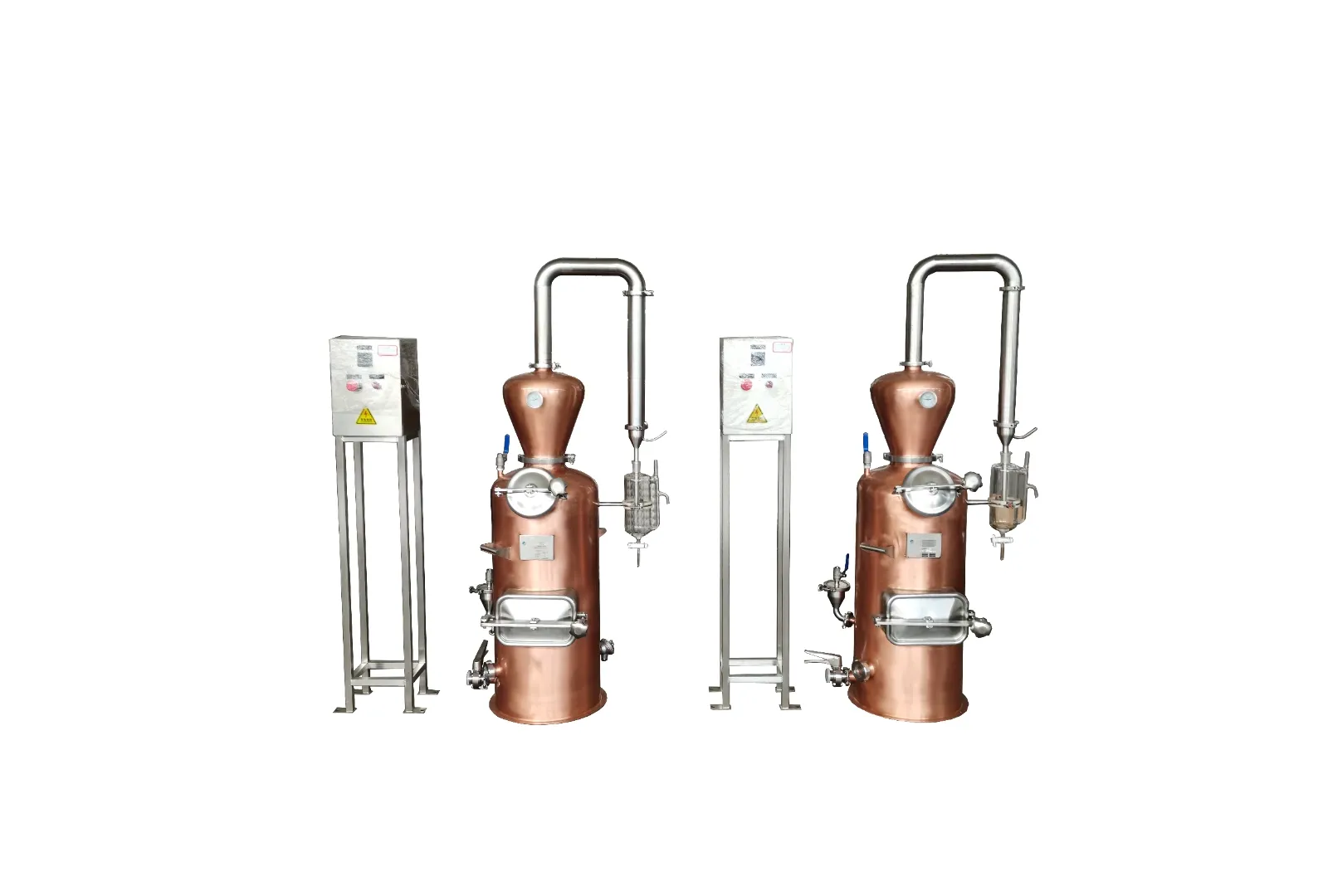
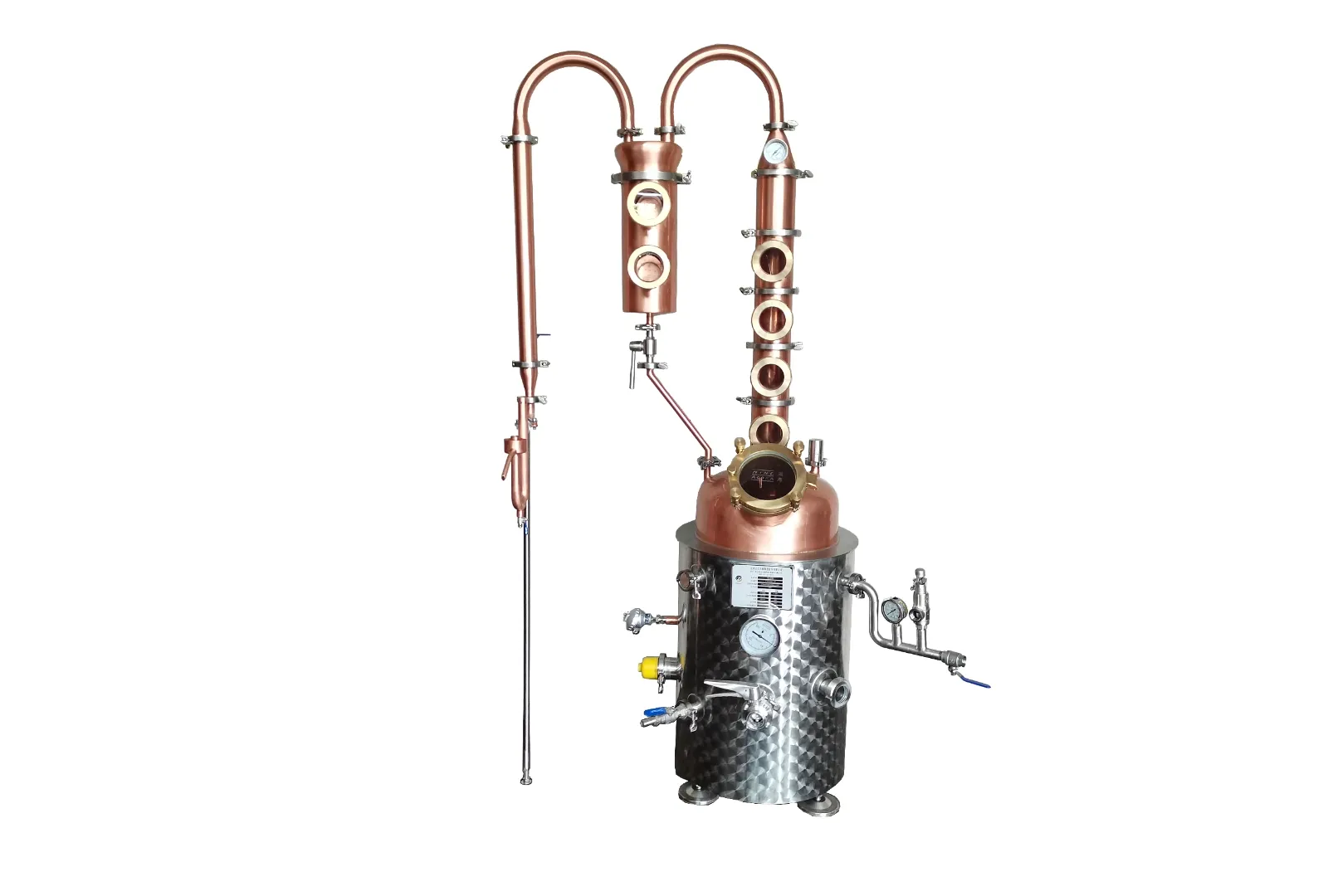
Many budget manufacturers use low-grade copper or thin plating. We always insist on 99.9% T2 Red Copper. Why? Because high-purity copper is the only material that effectively neutralizes sulfur compounds during distillation. If your still lacks the right copper surface area or purity, your spirit will carry a metallic, "off" taste that no amount of aging can fix.
2. Ignoring Scalability (The "One-Trick Pony" Trap)
Most startups begin with a specific product in mind, like Whiskey. They buy a dedicated pot still and, a year later, realize they want to produce high-ABV Gin or Vodka to improve cash flow.
The Mistake: Buying a rigid, non-modular system.
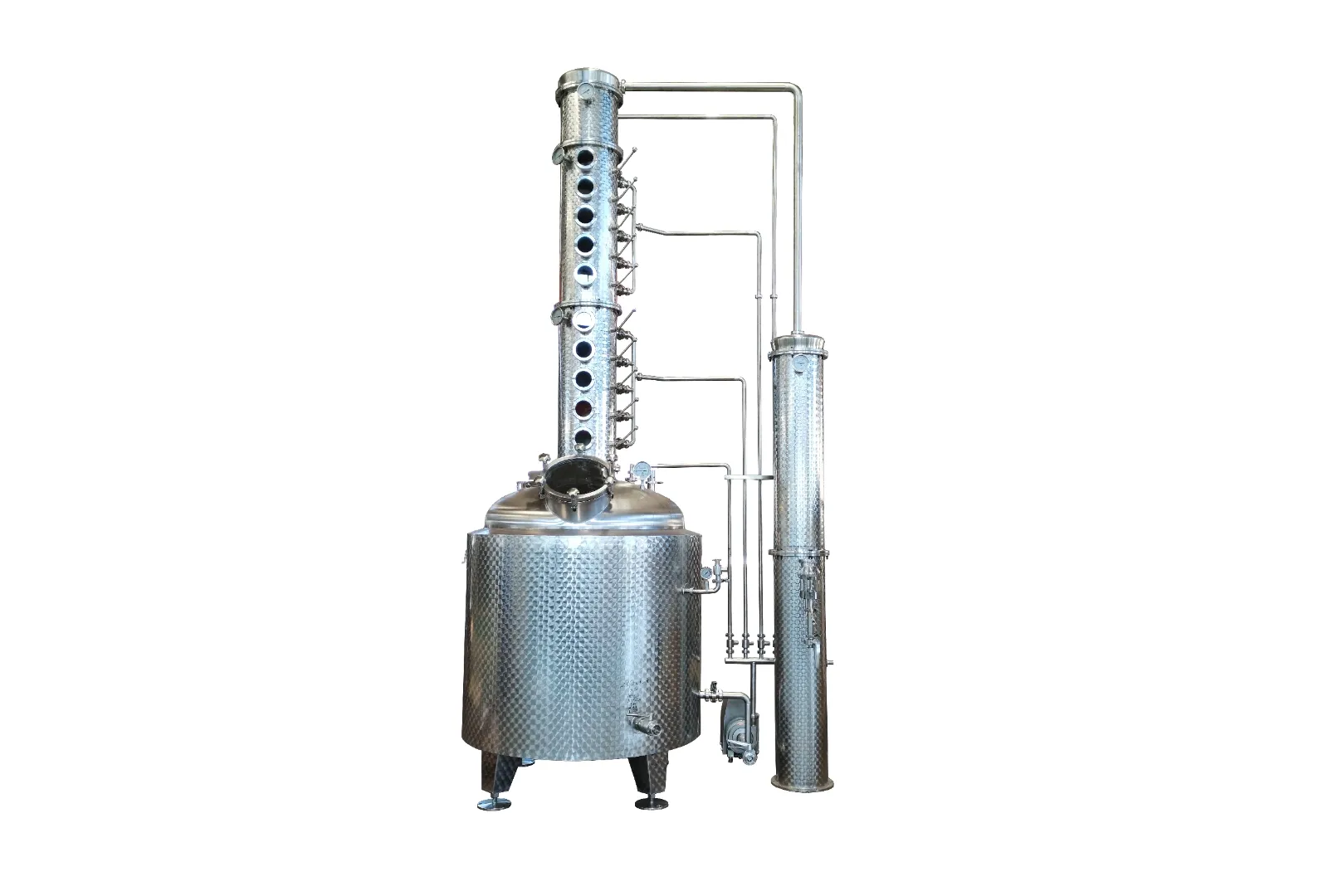
The Solution: Invest in Modular Distillation Systems. A setup that allows you to bypass or engage reflux columns gives you the freedom to pivot your product line without buying a whole new machine. Start small, but buy a system that can grow with you.
3. Underestimating the "Boring" Utilities
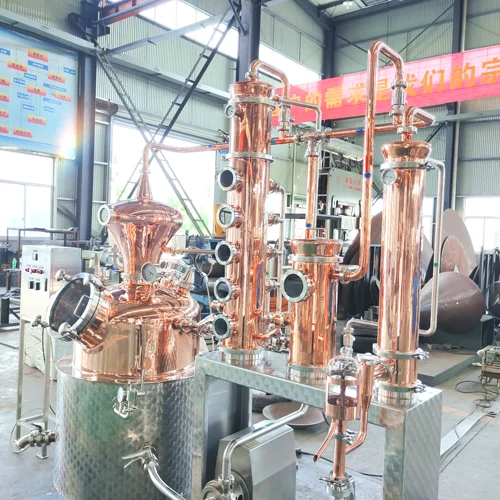
Everyone loves talking about the beautiful copper onion head, but nobody wants to talk about the Steam Boiler or the Glycol Chiller.
I’ve seen distillers buy a 500L still only to realize their building’s electrical grid can’t handle the heating elements, or they didn't account for the massive water usage needed for cooling. Before you order the still, audit your utilities. Does your location support high-pressure steam? Do you have a floor drain that meets local codes?
4. Forgetting About Hygiene (CIP is Not Optional)
In a professional distillery, you spend 20% of your time distilling and 80% of your time cleaning.
Choosing a system without an integrated CIP (Clean-in-Place) system is a recipe for labor-intensive misery. If you have to manually scrub every plate and pipe between batches, your production speed will plummet, and the risk of batch contamination will skyrocket. Look for "Sanitary Grade" welding and built-in spray balls.
5. Skipping the Compliance Check
Every country has its own safety standards—CE in Europe, AS/NZS in Australia, UL in North America.
Buying a non-certified machine might save you 20,000 later when the fire marshal or insurance inspector refuses to sign off on your facility. Ensure your supplier provides a Declaration of Conformity and uses pressure-rated safety valves.
Final Thought
Your equipment is the heartbeat of your brand. It should work for you, not against you.
Are you planning your distillery layout right now? Don't do it alone. Drop us a message with your expected monthly output, and we’ll help you spec out a configuration that actually makes sense for your budget and your future growth.