Sep 8, 2026Distiller's Guide
London Dry Gin: Why It Remains the Gold Standard of Gin Distillation
London Dry Gin is about process, not postcode. Learn the 4 legal rules, why copper stills matter, one-shot vs. multi-shot methods, and mistakes that ruin the premium label.
London Dry Gin: Why It Remains the Gold Standard of Gin Distillation
Walk into any bar and ask for a gin recommendation, and odds are the bartender will reach for a bottle labeled "London Dry." It is not a geographic claim — plenty of excellent London Dry gins are made in Melbourne, Mexico City, and Maine. The label carries weight because it represents a standard. For craft distillers, that standard is both a badge of honor and a technical hurdle worth clearing.If you are building a gin program or scaling an existing one, understanding what London Dry Gin actually means — and why it still matters — will save you from regulatory headaches and help you charge a premium for your bottle.
What Actually Makes a Gin "London Dry"?
The name trips people up. You do not need a distillery in London, and the gin does not need to taste dry in the wine-sense of the word. The classification comes down to production method, not postcode.Under EU and UK regulations (which most export markets mirror), a London Dry Gin must meet four non-negotiable rules:
- Juniper must dominate. The predominant flavor must come from juniper berries. Not coriander. Not citrus. Not whatever trendy botanical you discovered last week. If a blind taster cannot pick out the juniper, you have failed before you start.
- No artificial flavors or colors. Everything in the bottle must come from natural botanicals introduced during distillation. That means no post-distillation flavor additives, no glycerin for mouthfeel, and no caramel coloring to make it look "premium."
- The botanicals go in during distillation. You cannot macerate botanicals in neutral spirit, call it a day, and slap on a London Dry label. The botanicals must be present during the actual distillation run — either steeped in the pot or vapor-infused through a botanical basket.
- Nothing is added after distillation except water and neutral spirit. You can dilute to bottling strength. You can blend batches. You cannot add sugar, honey, botanical extracts, or anything else that alters the flavor profile after the still has done its work.
That last point is where a lot of craft distillers stumble. A "dry" gin in the London Dry sense is not about lack of sweetness — it is about purity of process. The final liquid is a direct reflection of what happened inside your still.
The Botanical Backbone: Juniper and Beyond
Juniper is the law, but it is not the whole story. A great London Dry Gin balances the piney, resinous character of juniper with supporting botanicals that add complexity without stealing the show.The classic London Dry botanical lineup looks something like this:
- Juniper berries (the star, typically 50–70% of the botanical bill by weight)
- Coriander seed (citrus and spice, the most common secondary botanical)
- Angelica root (earthy, binds flavors together, acts as a fixative)
- Orris root (floral, helps other botanicals "stick" in the distillate)
- Citrus peel (lemon or orange, brightens the profile)
- Licorice root (subtle sweetness and body, not flavor)
Some producers add cardamom, cassia bark, or cubeb pepper, but the best London Dry gins show restraint. The goal is harmony, not a botanical arms race. If your tasting notes read like a spice bazaar, you have probably missed the point.The quality of your juniper matters enormously. Mediterranean juniper (Juniperus communis) is the industry standard, but sourcing varies wildly. Berries from Macedonia tend to be more resinous and pine-forward. Italian juniper can be brighter and more citrus-driven. Buy samples, distill small test batches, and keep detailed logs. The same botanical recipe with juniper from two different suppliers can taste like entirely different gins.
Why the Still Matters More Than You Think
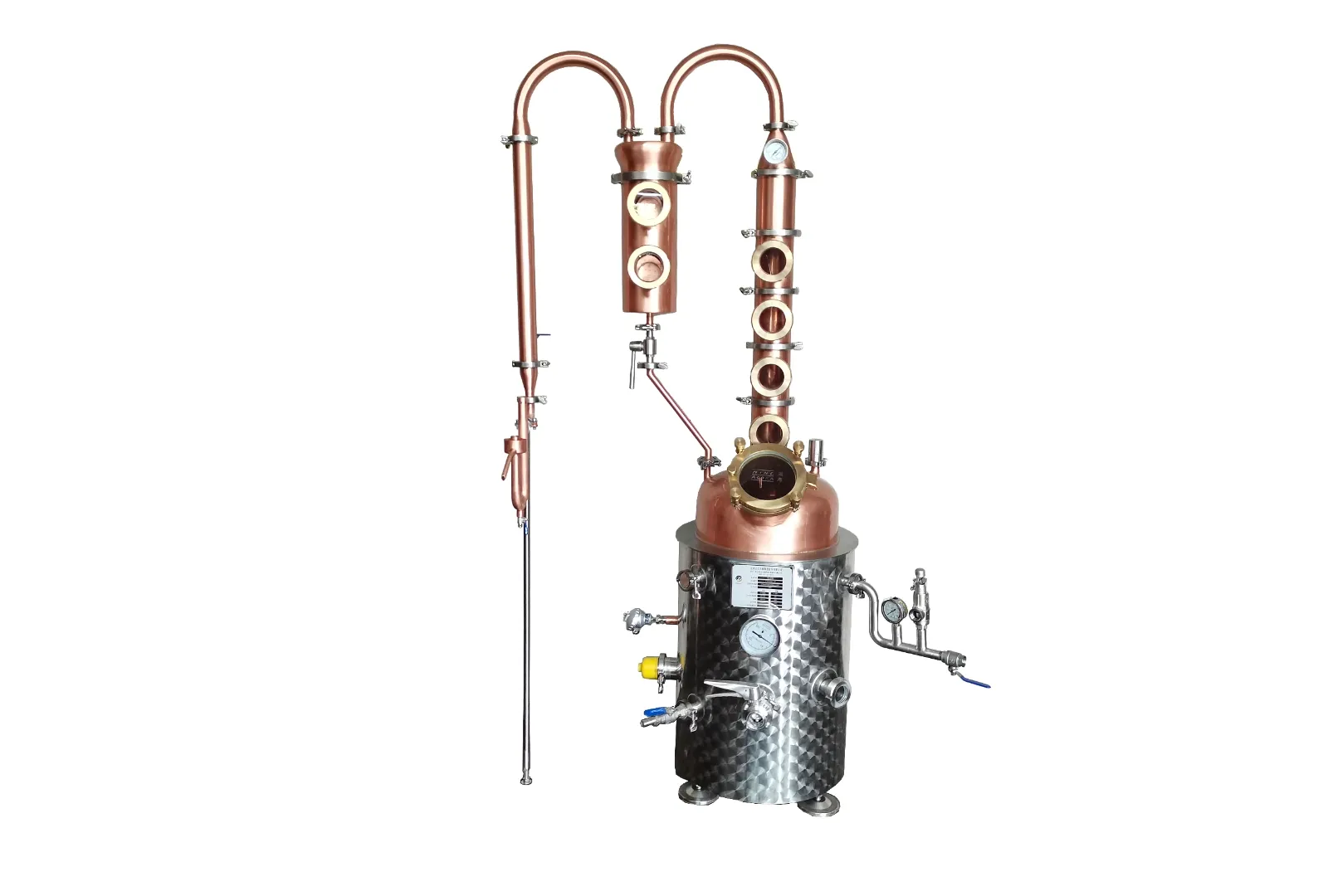
You can have the world's finest botanicals and a water supply blessed by a Scottish stream, but if your still is wrong, your gin will suffer. London Dry Gin production puts unique demands on your equipment.
Copper Is Non-Negotiable
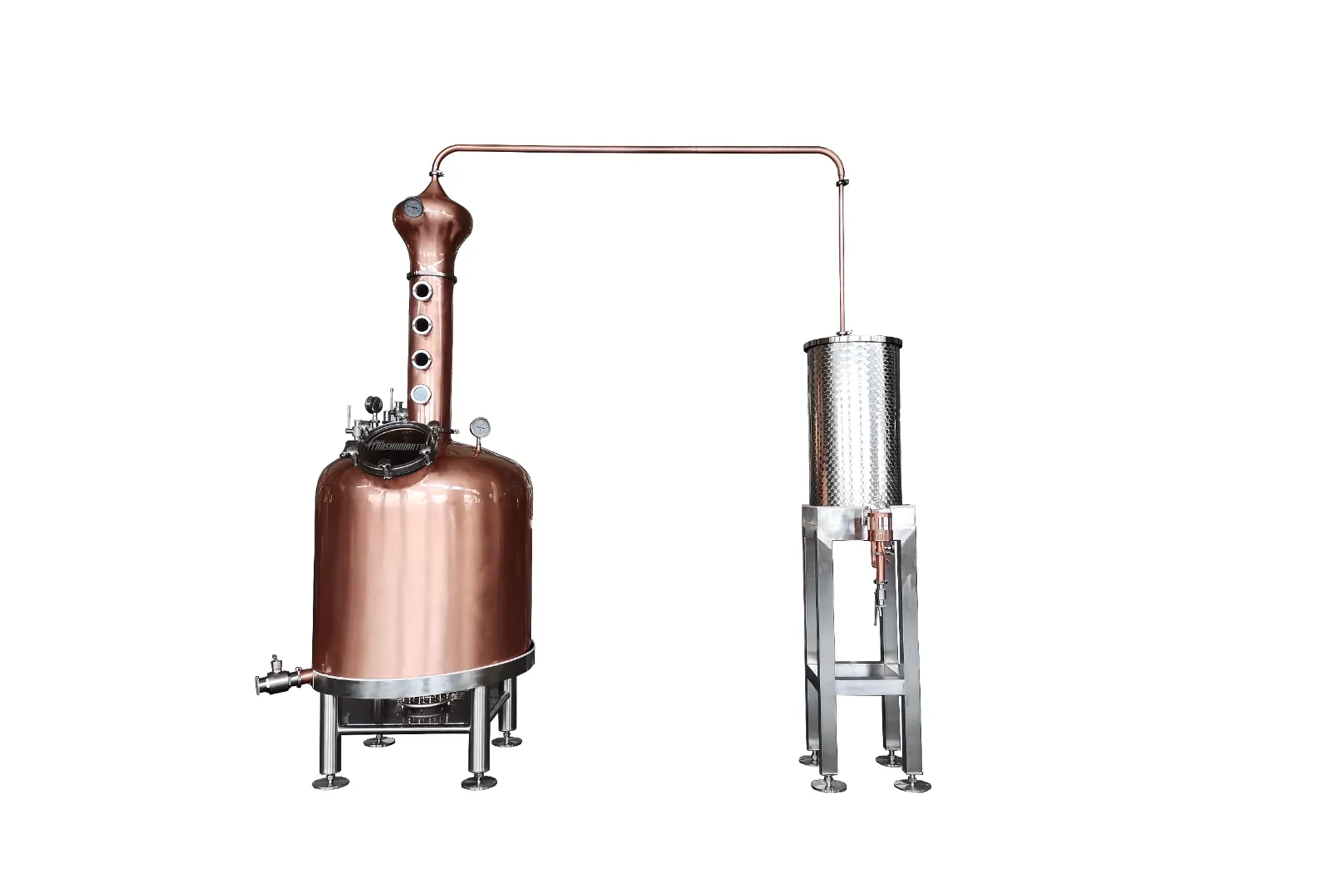
Copper does more than look good in your tasting room. During distillation, copper reacts with sulfur compounds in the neutral spirit and botanicals, stripping out harsh, eggy off-flavors that would otherwise ruin your gin. It also catalyzes ester formation — the fruity, floral compounds that give premium gin its complexity.At TengoDistill, we use 99.9% T2 red copper for all gin distillation systems. The catalytic reaction between copper vapor and your botanicals is not a nice-to-have; it is the chemical reason traditional London Dry producers have refused to switch to stainless steel for the past 300 years.
The Botanical Basket Decision
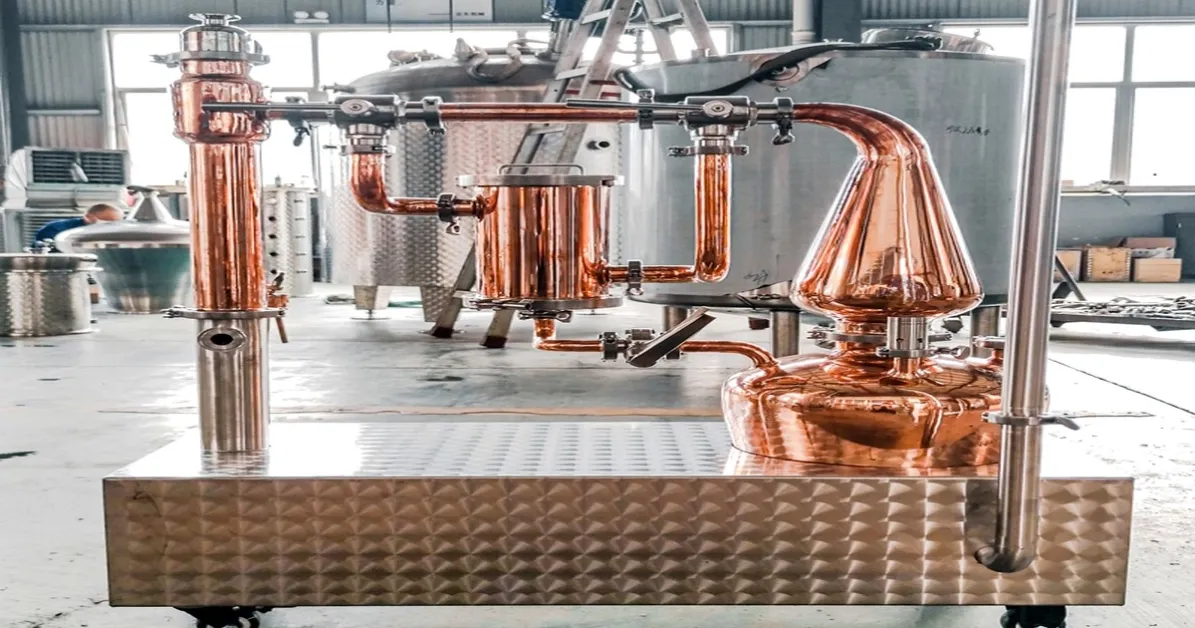
London Dry Gin allows two methods for introducing botanicals: steeping (botanicals go directly into the pot with the neutral spirit) and vapor infusion (botanicals sit in a basket above the liquid line, and alcohol vapor passes through them on its way to the condenser).Vapor infusion tends to produce a lighter, more aromatic gin. The vapor carries only the most volatile oils from each botanical, which means you get the top notes — the bright citrus, the fresh pine, the delicate floral elements — without the heavier, sometimes bitter compounds that full immersion can extract.Steeping gives you a bolder, more robust spirit. The boiling liquid pulls out deeper, earthier flavors. Angelica and orris root shine here in a way they rarely do in vapor-infused gins.Most serious London Dry producers eventually want both options. A modular copper gin still with a removable botanical basket lets you experiment with both methods on the same equipment. Start with vapor infusion for a classic London Dry profile. Swap in the basket for a steeped run when you want to push the boundaries. The flexibility pays for itself in R&D time alone.
Reflux Control
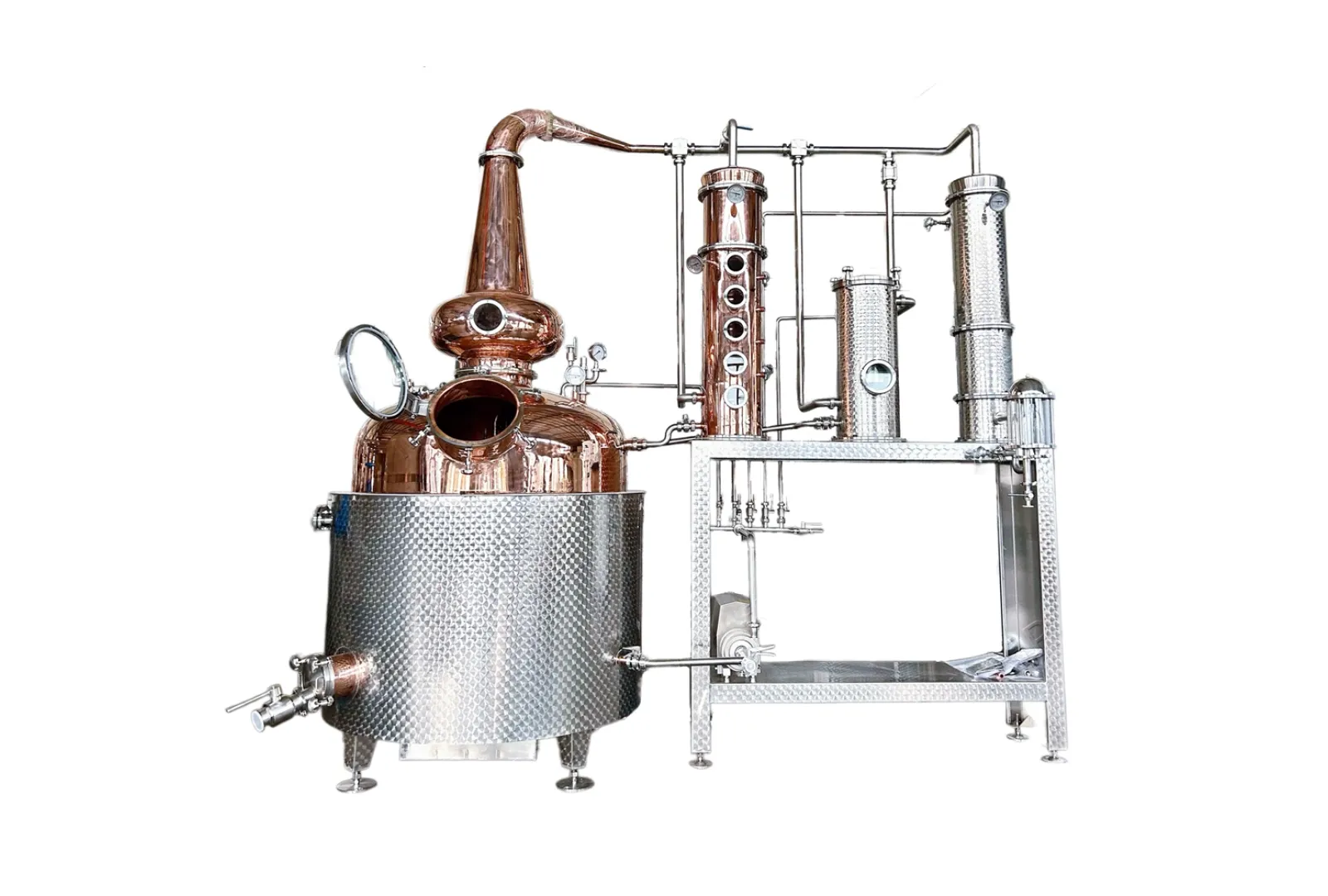
London Dry Gin is typically distilled at a relatively high proof — often 80–85% ABV off the still, then diluted to bottling strength. To hit those numbers on a pot still without stripping out all the flavor, you need precise reflux control.A hybrid pot-column still with adjustable plates gives you that control. Run it like a traditional pot still for the first part of the distillation to capture the full botanical character. Engage the column plates for the heart cut to boost proof without losing the juniper backbone. It is the setup most growing craft distilleries settle on once they move past their starter equipment.
One-Shot vs. Multi-Shot: The Real Difference
Here is where a lot of new distillers get confused. "One-shot" and "multi-shot" refer to how you use your botanicals relative to your base spirit volume — and the distinction matters for both quality and cost.
One-Shot Distillation
You load your full botanical bill into the still with the exact volume of neutral spirit you intend to distill. If you are making 300 liters of gin, you distill 300 liters of base spirit with the botanicals once, and that is your batch.Pros: Maximum flavor fidelity. The botanicals are fresh, the ratios are exact, and there is no dilution of the distillate with unflavored spirit. This is the method used by most premium craft producers and every major London Dry brand you have heard of.Cons: Lower yield per kilogram of botanicals. Higher ingredient costs. Requires precise recipe scaling — if your 300L still is running at 250L today, you need to adjust your botanical weights proportionally or the balance shifts.
Multi-Shot Distillation
You overload the still with botanicals — sometimes 3x to 5x the normal amount — and distill a smaller volume of base spirit. The result is a highly concentrated "gin concentrate." You then blend that concentrate with additional neutral spirit and water to reach your target volume and proof.Pros: Massive savings on botanicals. Faster production cycles. Easier to hit exact volumes for large orders.Cons: The flavor profile is not identical to one-shot. Some volatile compounds that make a gin "pop" in the glass are present in lower relative concentrations after dilution. Under EU law, you can still call it London Dry Gin if the concentrate itself was made properly — but purists (and many competition judges) can tell the difference.For a startup craft distillery, one-shot is the better marketing story. You can put "distilled in a single run with fresh botanicals" on your label. For a high-volume commercial operation, multi-shot keeps your margins healthy. Many distilleries run both: one-shot for their flagship premium line, multi-shot for their volume brand.
Common Mistakes That Ruin the London Dry Label
You have the right still, the right botanicals, and a beautiful bottle design. Do not blow it on one of these avoidable errors:Adding sugar post-distillation. Even a few grams per liter of sugar disqualifies you from the London Dry classification. If your gin tastes thin, fix it in the recipe — add more licorice root during distillation, or adjust your citrus peel ratio. Do not reach for the syrup.Using compounded flavor extracts. Some distillers think they are being clever by distilling a basic juniper-forward spirit and then adding "natural" coriander or cardamom extracts before bottling. The regulations are clear: if the flavor did not come over in the distillation run, it does not count. Worse, most trained palates can detect the difference between distilled and compounded flavors.Neglecting your neutral spirit quality. London Dry Gin starts with a neutral grain spirit, usually 96% ABV. That does not mean it should taste like rubbing alcohol. A poorly rectified base spirit with residual fusel oils or aldehydes will fight your botanicals instead of carrying them. Buy the best neutral spirit you can afford, or better yet, produce it in-house on a dedicated vodka column.Botanical basket placement errors. If you are vapor-infusing, the basket needs to sit where the vapor is hot enough to extract oils but not so hot that delicate botanicals scorch. Every still design is different. Run test batches with a single botanical (juniper alone is a good start) and move the basket up or down until you find the sweet spot. Document the position. Future you will be grateful.Inconsistent cuts. London Dry Gin lives or dies on the hearts cut. Take too much heads and your gin smells like solvent. Take too much tails and it gets oily and flat. Invest in a good parrot or spirit safe, learn your still's behavior with each botanical recipe, and do not rush the cut points to squeeze out an extra few liters.
Is It Worth the Extra Effort for Your Distillery?
Short answer: yes.Longer answer: the London Dry classification is one of the few remaining protected terms in the spirits world that consumers actually recognize. "Craft gin" means nothing legally. "Small batch" has no definition. "Handmade" is marketing fluff. But "London Dry Gin" tells a buyer, before they even taste it, that you followed a rigorous process and did not cut corners.That recognition translates directly to shelf price. A London Dry Gin can command a 20–40% premium over a generic "distilled gin" or compounded product. In export markets — particularly the EU, UK, Australia, and Japan — the label is often a prerequisite for serious distribution.The technical requirements are not burdensome if your equipment is up to the task. A well-built copper still with vapor infusion capability and precise temperature control handles 90% of the challenge. The rest is recipe discipline and patience.
Final Thoughts
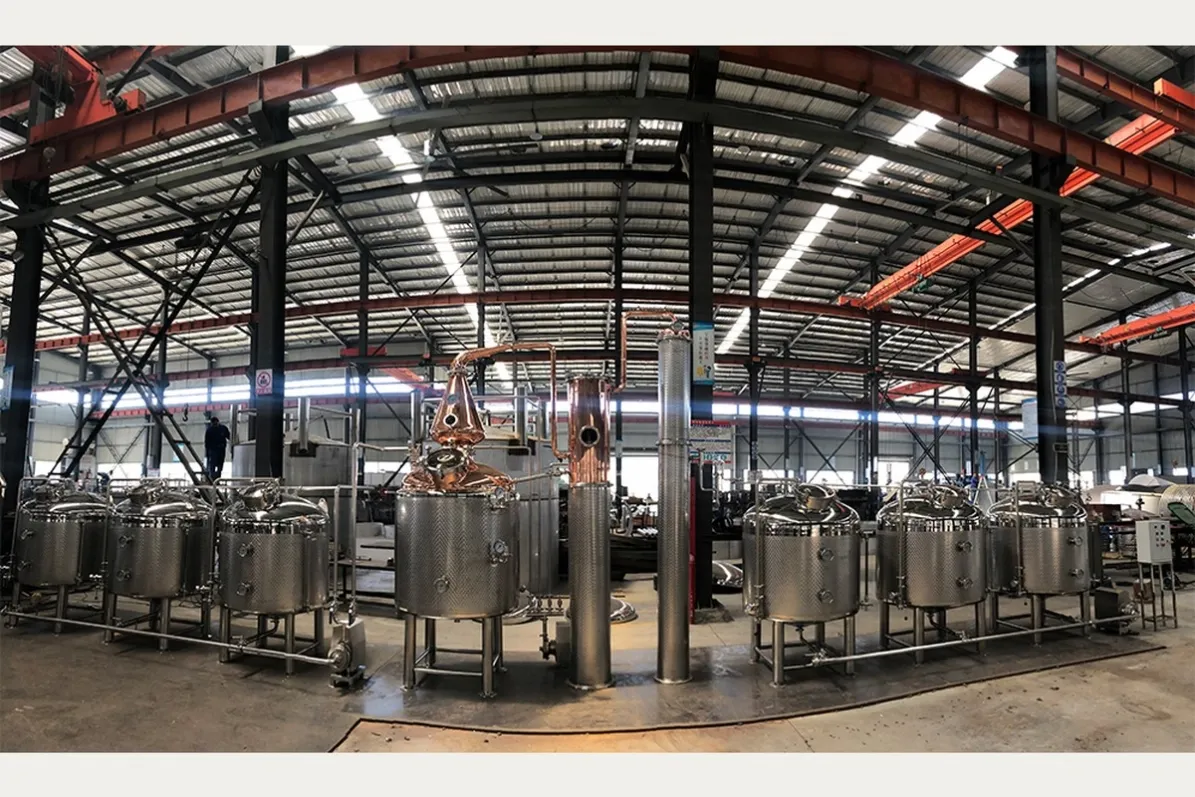
London Dry Gin is not a style that is going out of fashion. If anything, the global gin renaissance has made the classification more valuable, not less. Drinkers are more educated than ever. They read labels. They ask questions. They want to know that the botanicals in their glass were treated with respect.For the distiller, that means investing in the right equipment, sourcing quality juniper, and committing to a process that does not allow shortcuts. The reward is a product that sells itself — not because of a clever marketing story, but because the liquid in the bottle actually delivers what the label promises.If you are planning a new gin still setup or upgrading an existing one, start with the process in mind and work backward to the equipment. Browse our copper gin distillation systems or reach out for a technical consultation. We have helped distilleries in 30+ countries get their London Dry programs right from day one.