Aug 26, 2026Buying Guides
How Much Equipment Is Required to Operate a Small Distillery? (2026 Guide)
Starting a small distillery? This practical 2026 guide breaks down the minimum equipment list, hidden costs, space requirements, and spirit-specific setups -Tengodistill
How Much Equipment Is Required to Operate a Small Distillery? (2026 Guide)
Short answer: You can launch a small craft distillery with a still, fermentation tanks, basic transfer gear, and packaging equipment — but the real question is what else you'll need to stay in business past month three.
Industry estimates put startup equipment costs between 250,000 depending on scale and spirit type. A gin-focused operation using purchased neutral spirit sits at the lower end. A grain-to-glass whiskey distillery needs mashing, fermentation, distillation, and barrel storage — pushing budgets higher.
This guide breaks down the practical equipment list, the hidden costs most Reddit threads warn you about, and how to size your system without overspending.
The Minimum Viable Equipment List
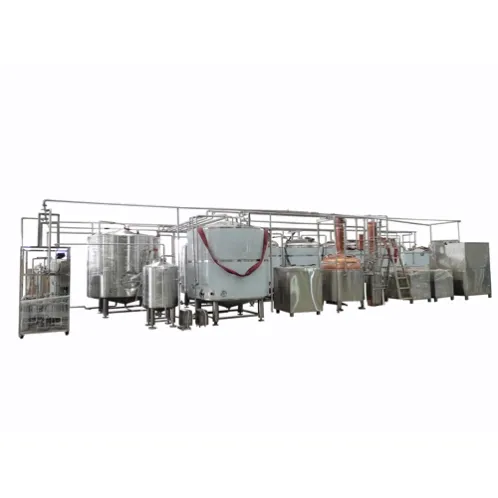
Before you buy a single tank, define your product. Gin from neutral spirit? Whiskey from grain? Vodka? Each path changes your equipment needs dramatically.
Here is the core equipment almost every small distillery needs:
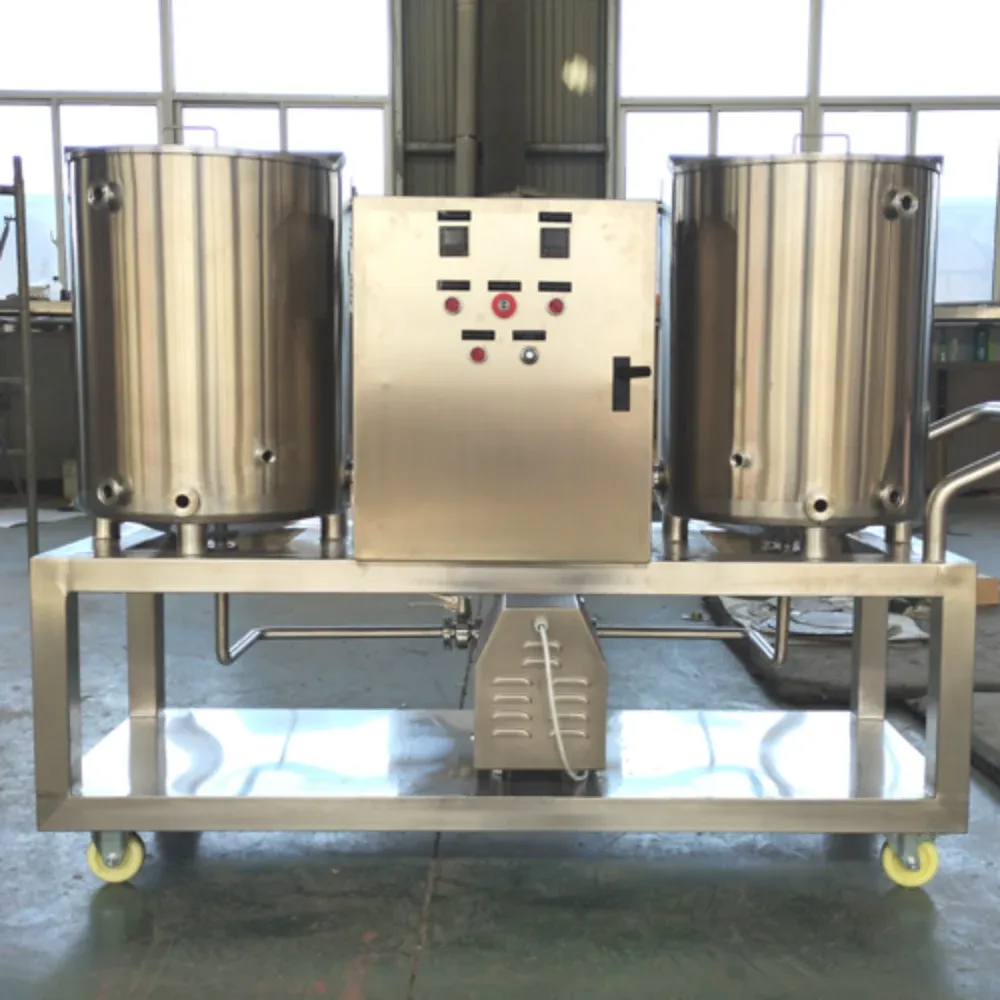
Equipment | Purpose | Typical Cost Range |
|---|---|---|
Still (pot, column, or hybrid) | Distillation | |
Fermentation tanks | Wash production | |
Transfer pumps & hoses | Liquid movement | |
Storage tanks | Spirit holding & proofing | |
Cooling system | Condenser & fermentation temp control | |
Heating source | Steam or electric | |
Basic lab gear | Hydrometer, thermometer, pH meter | |
Packaging equipment | Bottling, capping, labeling | |
CIP cleaning system | Sanitation compliance | |
If you are producing gin from purchased neutral spirit, you can skip the mill, mash tun, and fermenters — cutting your equipment list roughly in half. This is why so many craft distilleries launch with gin first.
> Looking for a turnkey starter system? Browse our distillery start-up kits — pre-configured, skid-mounted, and ready to run.
Sizing Your Still: Where Most Startups Get It Wrong
The still is your biggest single investment — and the most common place founders overspend or underspend.
Rule of thumb: Work backwards from your sales target.
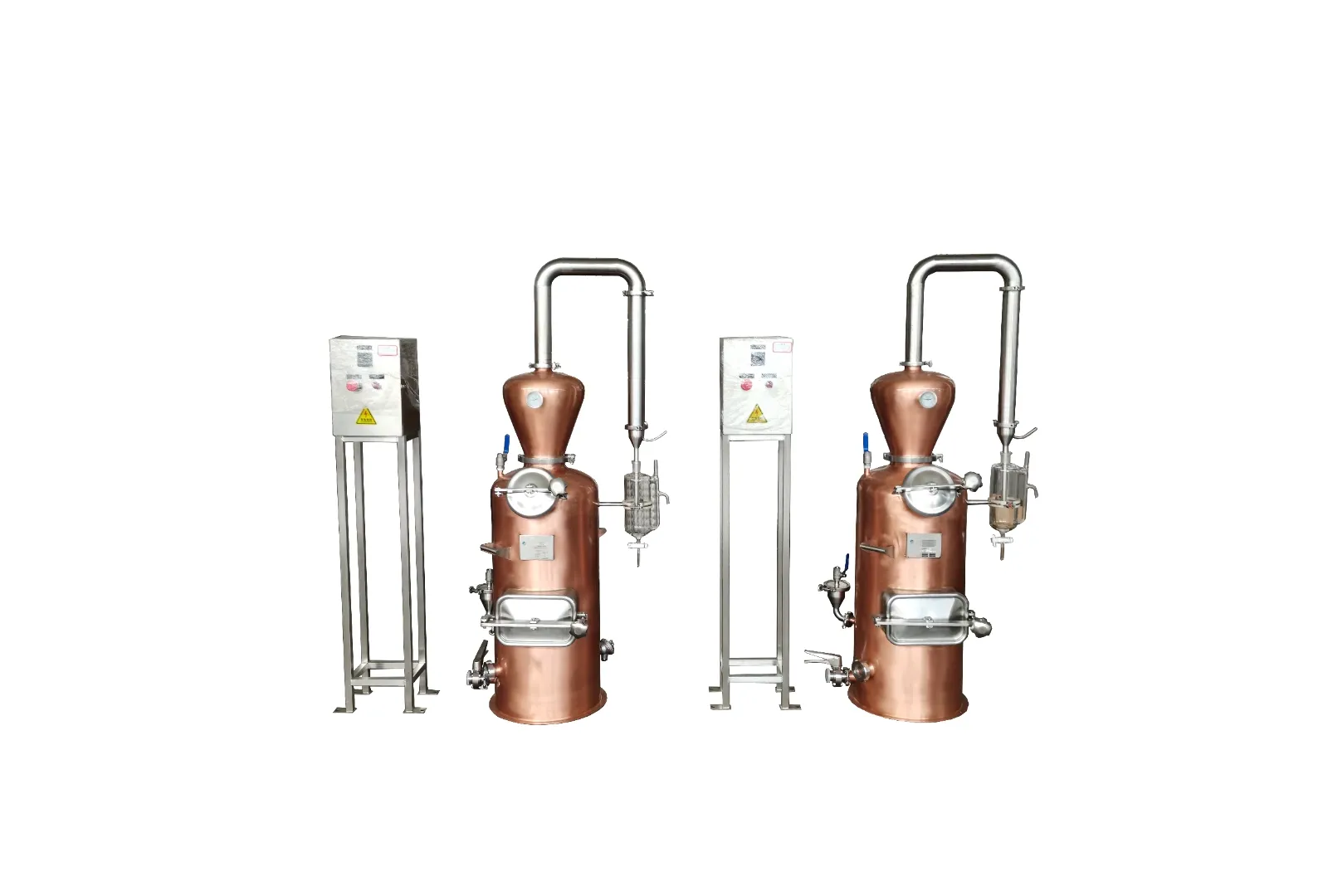
- 50L pilot still → Recipe development, test batches, small tasting-room sales. Perfect for proving your concept before scaling.
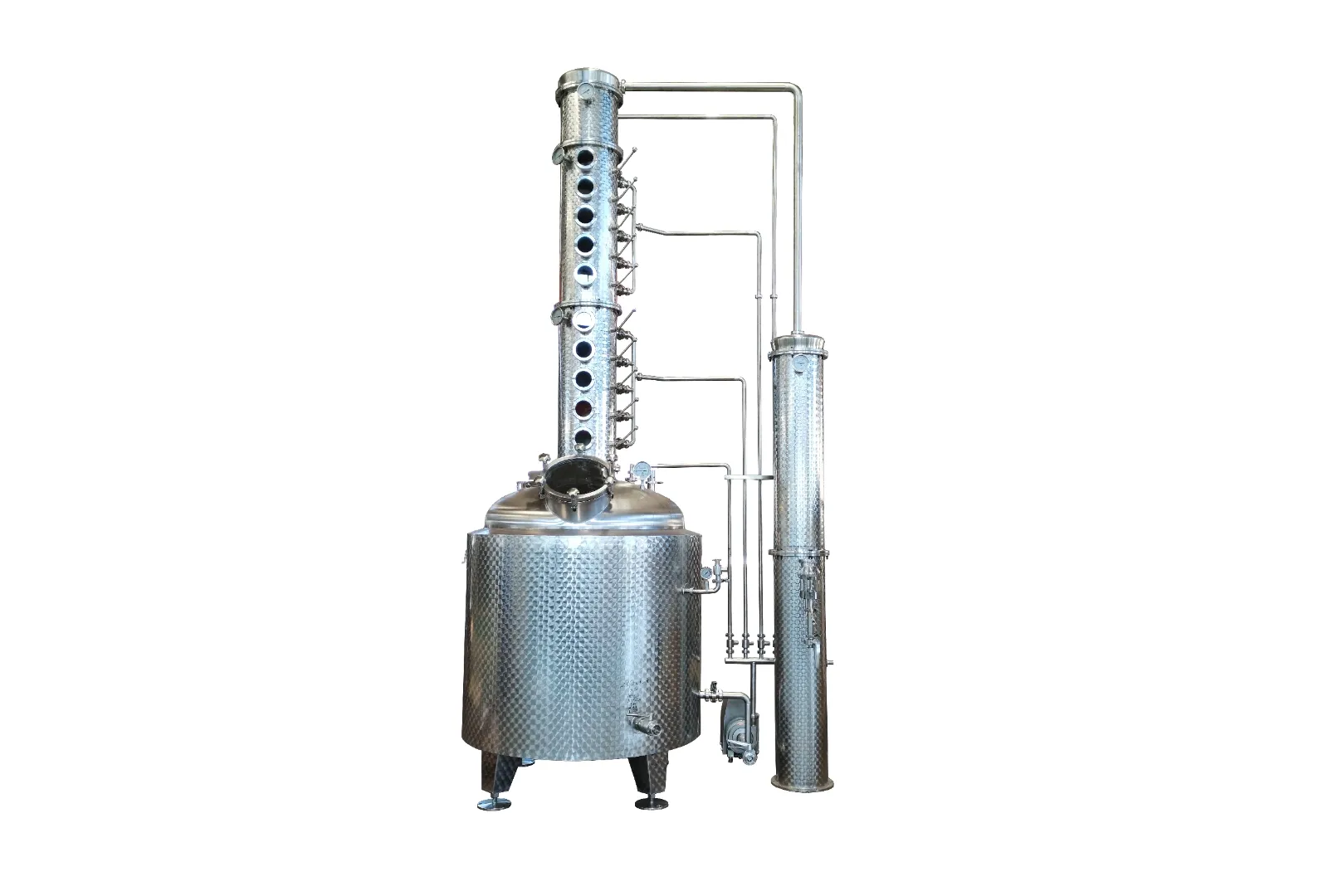
- 100L – 300L still → Commercial craft production. This is where most profitable small distilleries operate.
- 500L+ still → Regional distribution and export. Only scale here once you have confirmed demand.
A 50L still sounds small, but running two batches per day, five days a week, produces roughly 500L of finished spirit per month — enough for a tasting-room-focused business. Many founders buy a 50L pot still for R&D alongside a larger production unit.
> Not sure which size fits your goals? Read our guide: 50L vs 100L Still: Which Size Is Right for Your Distillery?
The Hidden Costs Nobody Talks About
Veteran distillers on Reddit consistently warn about the same trap: the big items are easy to budget. The small stuff destroys your cash flow.
Here is what actually shows up on your invoice after the still arrives:
- Tri-clamp fittings, gaskets, and camlocks — 50 each, but you need dozens. Budget1,500/year.
- Hoses and adapters — Food-grade transfer hoses wear out. Plan 800 annually.
- Cleaning chemicals — Caustic, acid, sanitizers. Ongoing cost, not a one-time purchase.
- Utility upgrades — Distilling is energy-intensive. Water, drainage, and electrical capacity often require site work.
- Spare parts — Heating elements, seals, pressure gauges. Downtime costs more than the part.
One experienced distiller put it bluntly: "I swear I buy $100 in tri-clamp and camlock fittings each month and have been for the last 3 years."
The lesson? Add a 15–20% buffer on top of your equipment quote for consumables, fittings, and first-year spares.
Space Requirements: How Much Floor Area Do You Actually Need?
You can technically fit a small still and a bottling line in under 200 sq ft. But that is not a distillery — that is a closet with a still in it.
For a functional, compliant small distillery, plan for:
Area | Minimum Space | Notes |
|---|---|---|
Production floor | 800 – 1,500 sq ft | Still, fermenters, mash area, cleaning station |
Raw material storage | 200 – 400 sq ft | Grain, botanicals, bottles, packaging |
Finished goods storage | 300 – 600 sq ft | Bonded storage may be required |
Bottling & packaging | 200 – 400 sq ft | Labeling, case packing, shipping prep |
Office / lab | 100 – 200 sq ft | Record keeping, testing, compliance docs |
Total realistic minimum: 1,600 – 3,100 sq ft (≈ 150 – 290 m²)
If you plan barrel aging, double your storage estimate. Whiskey needs years of resting space before it generates revenue — a reality gin distillers do not face.
Equipment Checklist by Spirit Type
Gin (from neutral spirit)
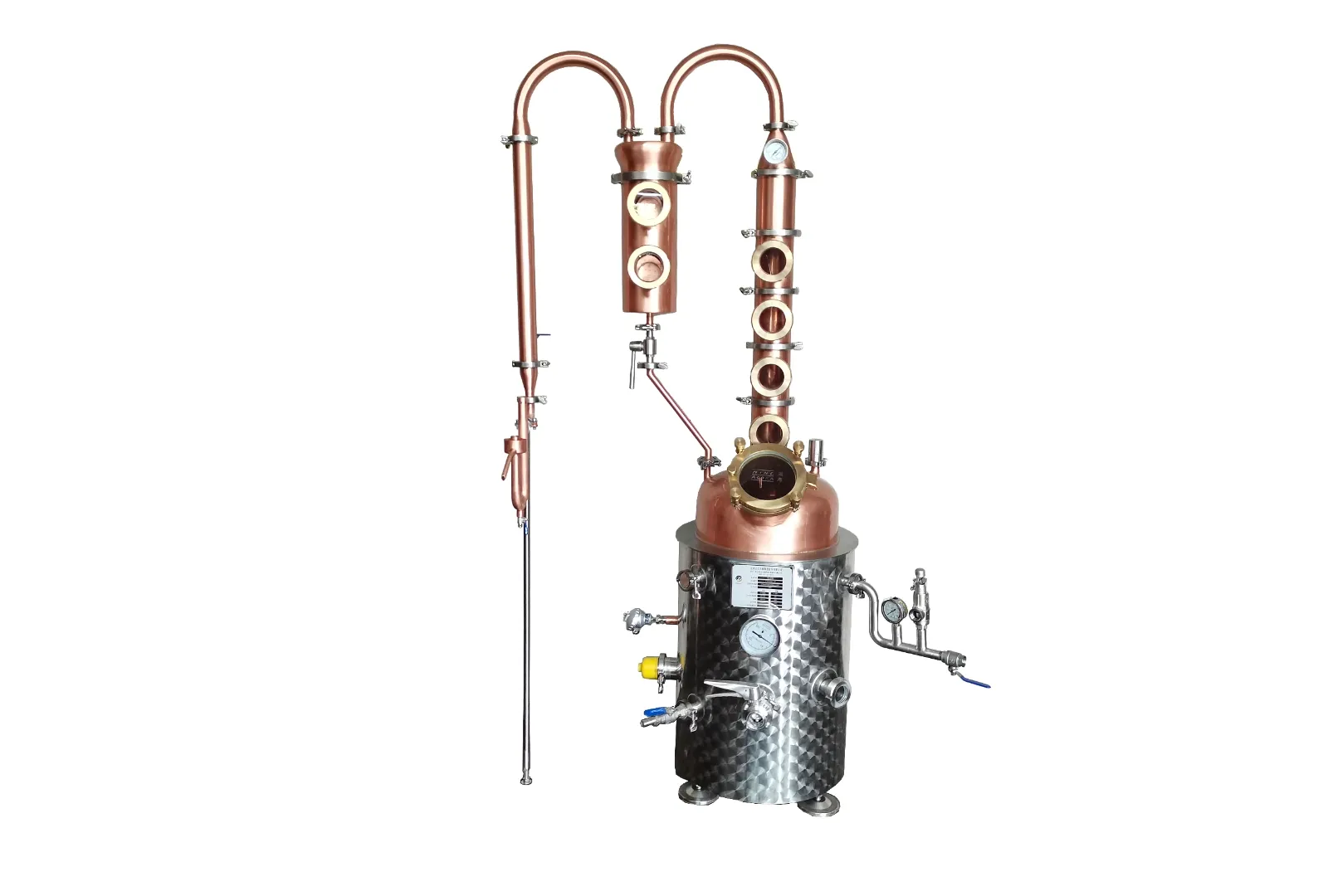
- Pot still or hybrid still with botanical basket (for vapor infusion)
- Optional: maceration tank
- Storage & proofing tanks
- Basic bottling line
> Recommended: The TGD G300 — a 300L copper gin still with integrated botanical basket and multi-plate column. Supports both vapor infusion and maceration in one CE-certified system.
Whiskey (grain-to-glass)
- Grain mill
- Mash tun
- Hot liquor tank
- Fermentation tanks (multiple, for rotation)
- Copper pot still or hybrid still
- Barrel filling & storage infrastructure
- CIP system
> Recommended: The TGD WG400 — a 400L grain whiskey system with multi-plate column, built for bourbon and rye production.
Vodka
- Column still or hybrid with high-reflux capability
- Activated carbon filtration
- Polishing/filtering setup
- Neutral spirit base (unless making from grain)
Rum / Brandy
- Pot still (for character) or hybrid
- Fermentation tanks suited for molasses or fruit must
- Aging vessels (optional, for premium lines)
Still unsure whether you need a pot still or column still? Read our full comparison: Pot Still vs Column Still: How to Choose.
New vs. Used: What the Forums Won't Tell You
Used equipment saves money upfront — if you know what to inspect. Check for:
- Rust or pitting in copper vessels (compromises sulfur neutralization)
- Cracked welds or failed pressure tests
- Missing certification documents (CE, ASME, food-grade compliance)
- Obsolete parts that are no longer manufactured
For first-time distillers, a turnkey new system often pays for itself in reduced downtime and compliance confidence. At TengoDistill, every unit ships pre-assembled on a skid with full CE certification and 24/7 technical support — so your first batch happens weeks faster.
Frequently Asked Questions
Can I start a distillery with just a still and a bottling line?Technically yes, but you will not stay in business long. You need storage, cleaning, utilities, and compliance infrastructure to operate legally and consistently.
Do I need a special still to make gin?At minimum, a pot still works. For vapor-infused gin, you need a botanical basket in the vapor path. A purpose-built gin system with a bypassable column and integrated basket lets you run maceration, vapor, and split methods on one machine.
How long does it take to open a small distillery?Equipment delivery: 4–12 weeks. Licensing and compliance: 4–16 weeks (varies by country). Fit-out and testing: 2–8 weeks. Total: 3–8 months from deposit to first batch.
What ABV should my base spirit be for gin distillation?Most distillers charge the pot at 45–60% ABV. Lower charges extract more water-soluble, heavier flavors; higher charges favor lighter, alcohol-soluble aromatics.
Is copper really necessary?Yes. Copper neutralizes sulfur compounds from fermentation, creating the smooth "velvet" mouthfeel expected in premium spirits. T2 red copper is the industry standard for craft distillation.
Ready to Build Your Distillery?
Choosing the right equipment is the difference between a distillery that opens on time and one that bleeds cash on retrofits. At TengoDistill, we engineer turnkey distillation systems from 50L pilot units to 5000L commercial plants — all built with 99.9% T2 red copper, CE certified, and shipped ready to run.
Have questions about sizing, layout, or spirit-specific configurations? Our engineers are available 24/7. Email claudia@tengodistill.com or WhatsApp +86 153 9711 0601.