Aug 24, 2026Technical Insights
Vapor Infusion vs Maceration: Choosing the Right Gin Distillation Method for Your Distillery
Vapor infusion or maceration? Compare the two main gin distillation methods — flavor profile, equipment needs, cost and batch consistency — and learn which one fits your craft gin brand.
Vapor Infusion vs Maceration: Choosing the Right Gin Distillation Method for Your Distillery
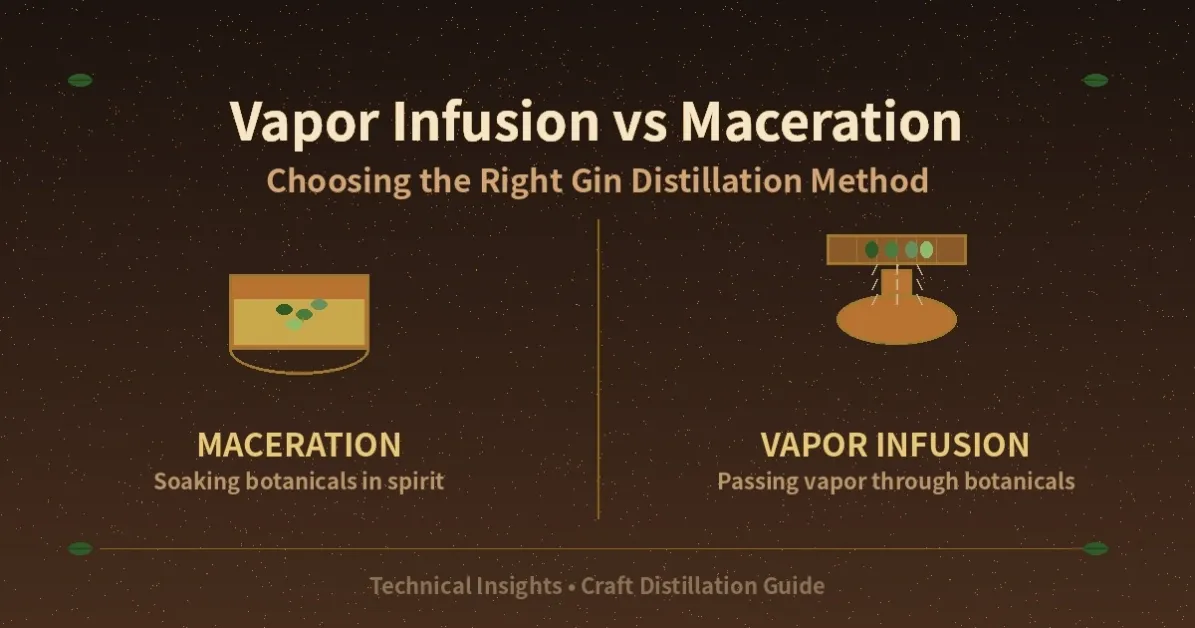
Gin is the fastest route to revenue for most craft distilleries: no aging, no barrels, no waiting three years for your first sale. But before you can sell a bottle, you face a technical decision that will define your gin's entire personality — how do you extract flavor from your botanicals?There are two dominant methods: maceration (soaking botanicals in the spirit before distillation) and vapor infusion (passing alcohol vapor through a botanical basket during distillation). Neither is "better." They produce fundamentally different gins, and the right choice depends on your recipe, your equipment, and the flavor profile your brand is built on.
Method 1: Maceration (The Traditional Approach)
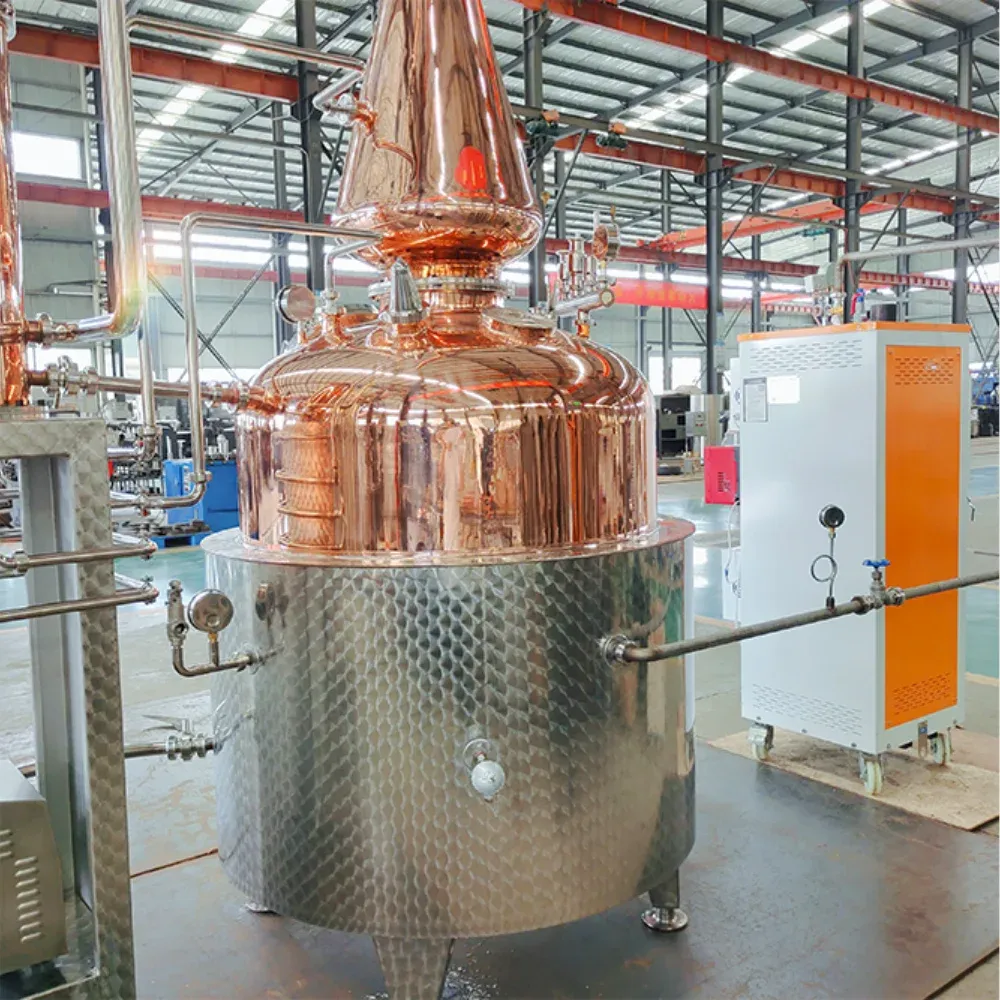
Maceration is the older and simpler technique. You add your botanicals — juniper, coriander, citrus peel, and the rest of your recipe — directly into the pot, soaking them in neutral spirit for anywhere from a few hours to 48 hours before you fire the still.How it works:
- Charge the pot with neutral spirit (typically 45–60% ABV)
- Add weighed botanicals directly to the liquid
- Macerate for a defined time (some distillers skip the soak entirely and distill immediately)
- Distill as a normal pot-still run, making heads/hearts/tails cuts as usual
Flavor profile: Macerated gin is bold, oily, and intense. Heat and extended contact extract heavier flavor compounds — deep juniper resin, earthy root notes, cooked citrus. This is the style behind classic Plymouth-style and many contemporary "Western dry" gins. If your brand story is big, unapologetic flavor, maceration delivers.The risks: Heat-sensitive botanicals (fresh citrus, delicate florals, cucumber) can turn stewed or bitter. Consistency demands discipline — the same botanical weights, the same soak time, the same charge strength, every single batch.
Method 2: Vapor Infusion (The Precision Approach)
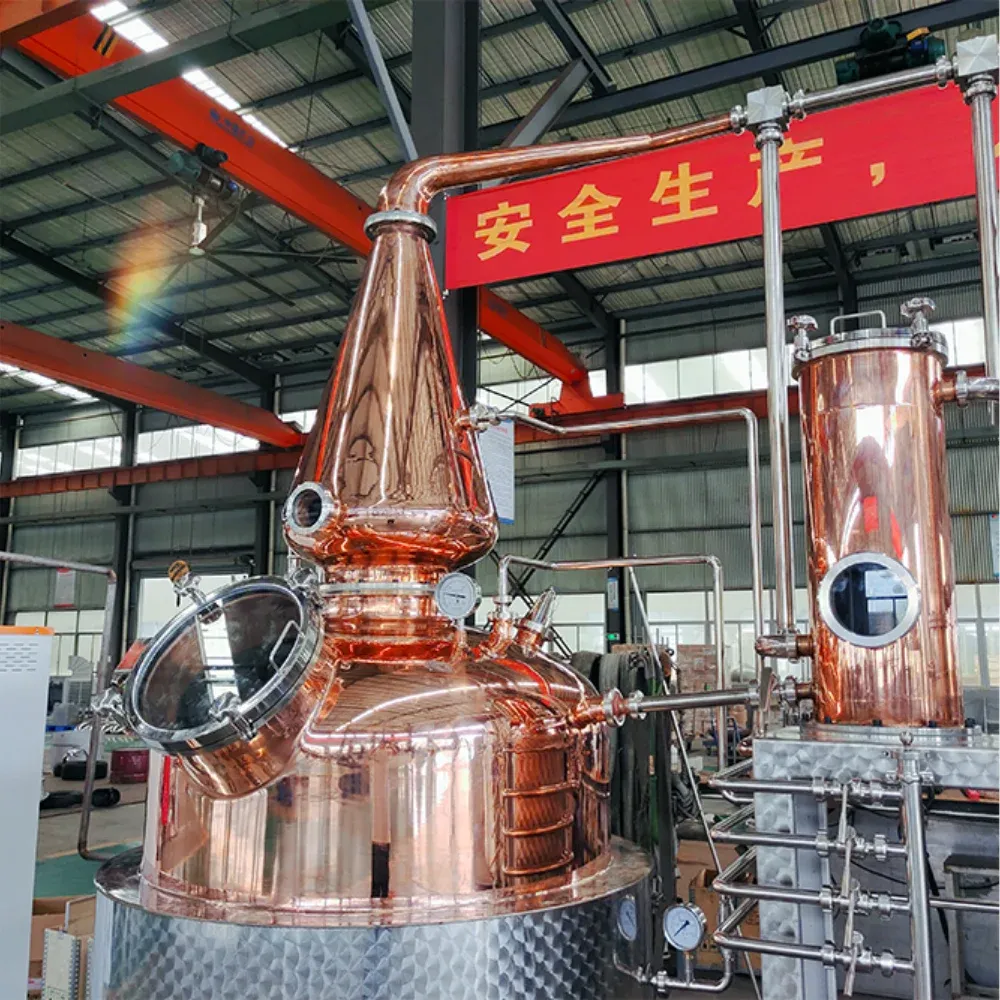
Vapor infusion keeps botanicals out of the liquid entirely. Instead, they go into a botanical basket (also called a gin basket or Carter head) mounted in the vapor path between the pot and the condenser. Hot alcohol vapor rises through the basket, picks up volatile aromatic compounds, and carries them to the condenser.How it works:
- Charge the pot with neutral spirit only
- Load the botanical basket with your recipe
- Bring the pot to a gentle boil and let vapor pass through the botanicals
- Collect the run, adjusting heat to control extraction intensity
Flavor profile: Vapor-infused gin is lighter, brighter, and more aromatic. Because the botanicals never boil, you capture the delicate top notes — fresh citrus zest, floral highs, green herbaceous character — that maceration destroys. This is the style associated with Bombay Sapphire and most modern "contemporary" gins built on elegance rather than weight.The risks: Vapor infusion extracts less total flavor per kilogram of botanicals, so recipes often need adjusting upward. Basket loading technique matters: pack too tightly and you get channeling and uneven extraction; too loosely and vapor bypasses the botanicals entirely.
Side-by-Side Comparison
Factor | Maceration | Vapor Infusion |
|---|---|---|
Flavor intensity | High — bold, oily, deep | Moderate — bright, aromatic |
Delicate botanicals | Risk of stewed/bitter notes | Excellent preservation of top notes |
Botanicals per batch | Lower usage | Typically 10–30% more required |
Equipment needed | Pot still only | Pot still + botanical basket |
Batch consistency | Depends on soak discipline | Easier to standardize |
Style fit | Classic, heavy, Western dry | Contemporary, citrus/floral-forward |
Operational complexity | Simplest possible run | Basket prep adds a step |
Can You Use Both? Yes — and Many Award Winners Do
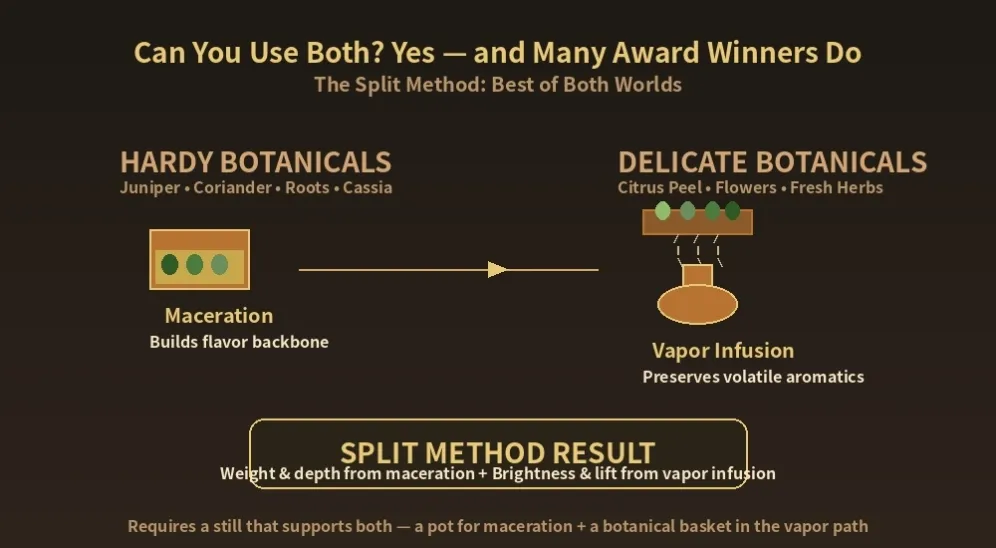
The dirty secret of the gin world: many of the most decorated craft gins use a split method. Hardy botanicals (juniper, coriander, roots, cassia) go into the pot for maceration, building the flavor backbone. Delicate botanicals (citrus peel, flowers, fresh herbs) go into the vapor basket, protecting their volatile aromatics.This hybrid approach requires a still that supports both — a pot for maceration and a properly engineered botanical basket in the vapor path. It is worth planning for at the equipment stage: retrofitting a basket port onto a still that was not designed for one is expensive and sometimes impossible.
Equipment Considerations Before You Commit
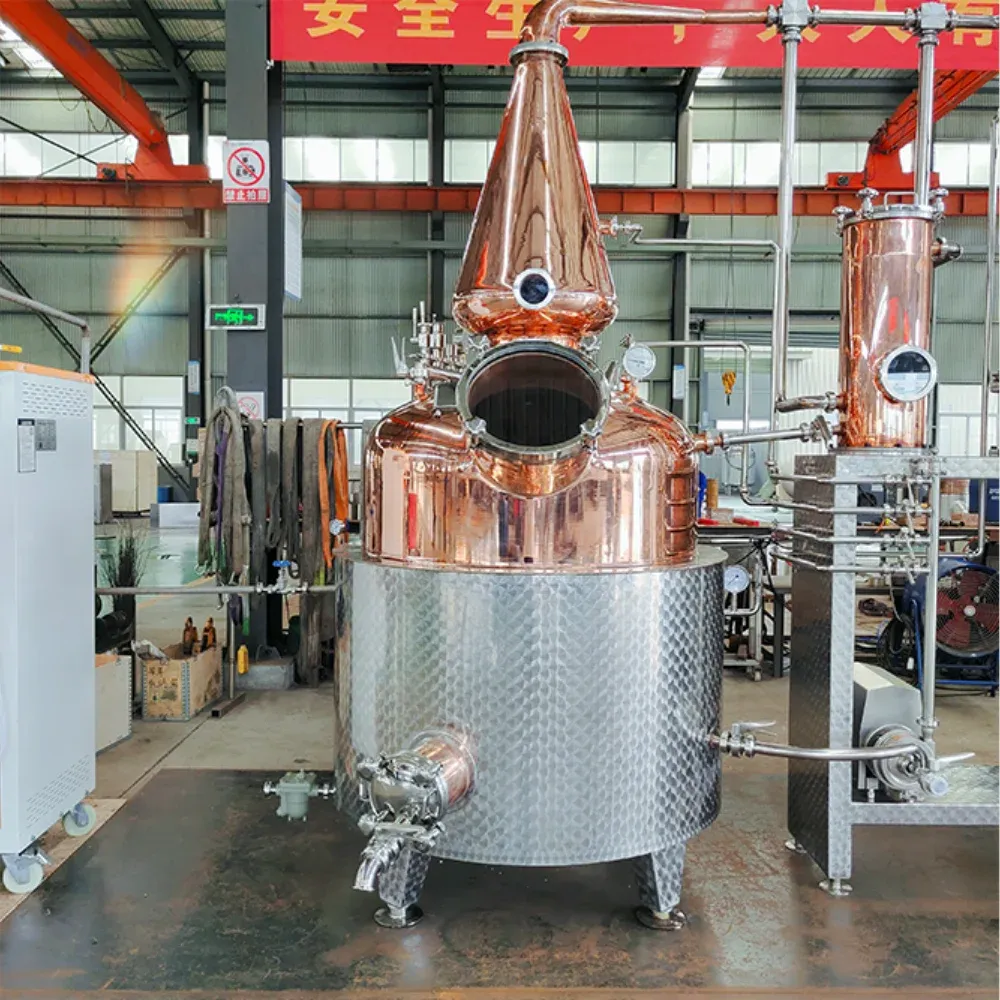
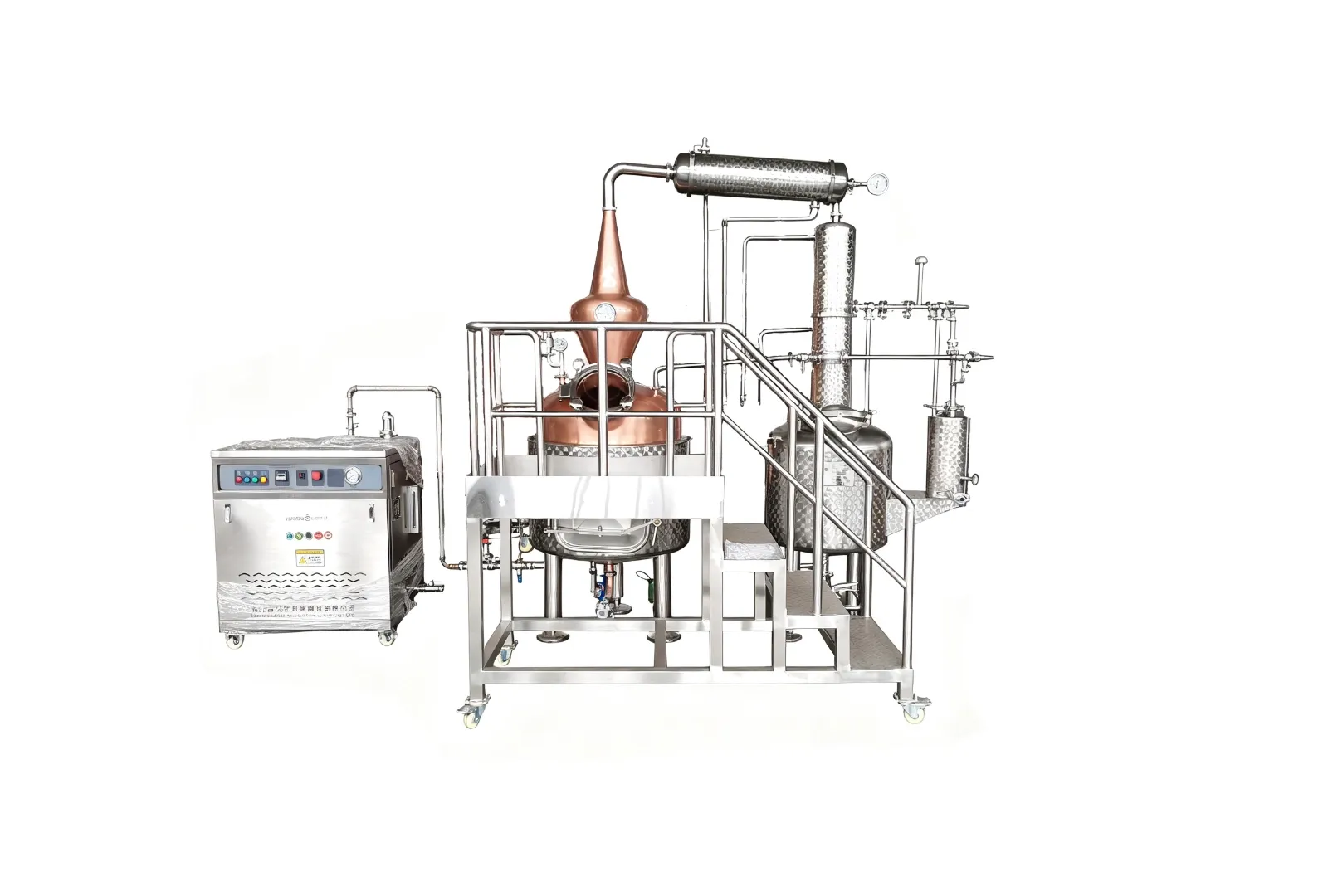
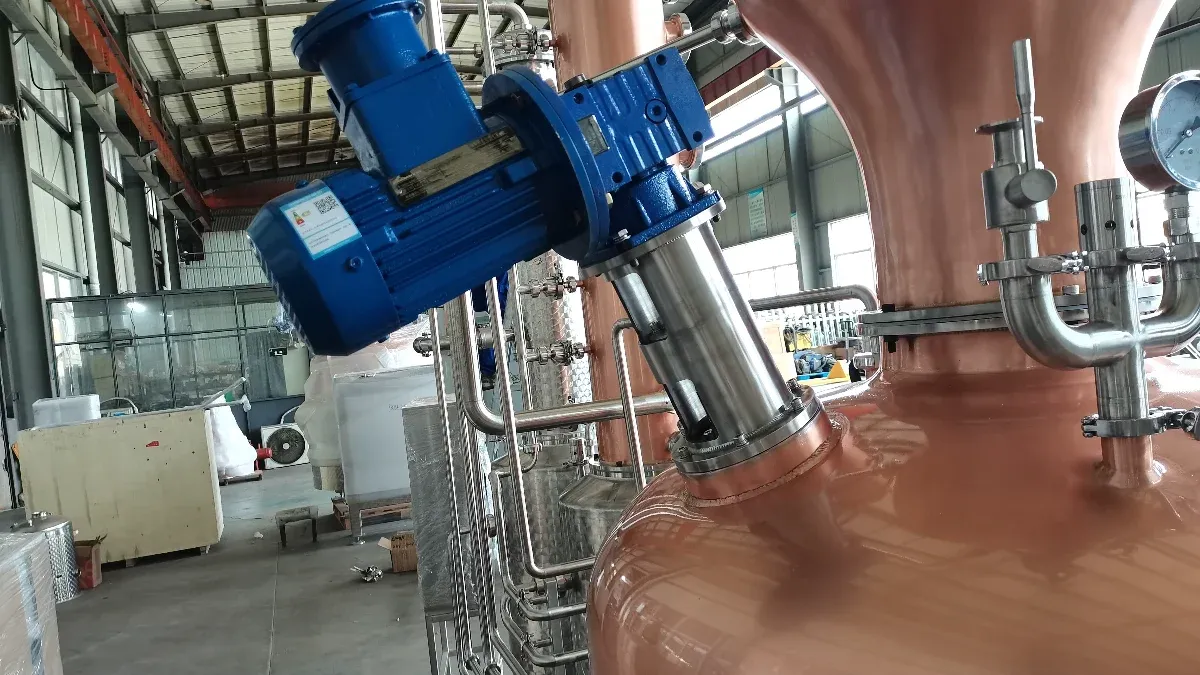
Basket sizing. A botanical basket should hold your full recipe with at least 30% headspace for vapor circulation. On a 300L gin still, that typically means a 15–25L basket.Vapor path design. The basket must sit where vapor temperature is high enough for extraction but before any reflux plates would strip the aromatics back out. Purpose-built gin systems place the basket on a bypassable column section.Copper contact. Gin vapor still needs copper. Sulfur compounds from your base spirit carry through distillation, and T2 red copper in the pot or column neutralizes them before they reach your carefully balanced botanicals.Scaling up. A recipe perfected on a 20L pilot still does not scale linearly to 300L. Botanical ratios, extraction time, and vapor speed all shift. Run pilot batches on equipment that mirrors your production still's configuration — this is exactly why we build the TGD G20 pilot gin still with the same basket geometry as our commercial TGD G300 and G1000 systems.
Frequently Asked Questions
Is vapor infusion better than maceration for gin?
Neither is objectively better — they produce different styles. Maceration gives bold, oily, traditional gins; vapor infusion gives light, aromatic, contemporary gins. Choose based on the flavor profile your brand promises, not on fashion.
How long should botanicals macerate before distillation?
Common practice ranges from immediate distillation (no soak) to 12–24 hours. Beyond 24 hours, extraction gains flatten while the risk of harsh, over-extracted notes grows. Whatever time you choose, lock it in as a written standard for every batch.
Do I need a special still to make gin?
At minimum you need a pot still; to do vapor infusion you need a botanical basket in the vapor path. A purpose-built gin system with a bypassable column and an integrated basket gives you all three methods — maceration, vapor, and split — on one machine.
What ABV should the base spirit be for gin distillation?
Most distillers charge the pot at 45–60% ABV. Lower charges extract more water-soluble, heavier flavors; higher charges favor lighter, alcohol-soluble aromatics.
The Bottom Line
Maceration and vapor infusion are not rivals — they are two instruments in the same orchestra. Maceration gives your gin weight and depth; vapor infusion gives it brightness and lift. The distilleries winning awards in 2026 are the ones whose equipment lets them play both.Planning a gin line? Consult a TengoDistill engineer about gin distillation systems from 20L recipe-development pilots to 1000L commercial plants — all with integrated botanical baskets, T2 red copper vapor paths, and CE certification for global export.