Jun 26, 2026Buying Guides
How Much Does It Cost to Start a Craft Distillery in 2026?
Real distillery startup costs for 2026: from $15k garage setups to $500k+ commercial operations. Equipment, permits, working capital — the full breakdown with no fluff.
Let me be straight with you: if you're googling this, you already know it isn't "$50 and a dream." But here's what most articles bury in paragraph 12 — the real number depends entirely on what kind of distillery you're actually building.A garage gin operation for farmers' markets? Completely different beast from a 500L facility with a tasting room and three-state distribution. I've talked to enough distillery owners to know that "startup cost" is meaningless without context.So let's cut the fluff. Real numbers, real breakdowns, and where you can (and can't) cut corners.
The Honest Range
Scale | Investment | What That Gets You |
|---|---|---|
Garage / Nano | $15k–$50k | 50-200L still, basic setup, local permits |
Small Craft | $60k–$150k | 200-500L system, commercial space, small team |
Mid-Size | $150k–$500k | 500L-1000L, tasting room, distribution |
Premium / Whisky | $500k–$2M+ | Large stills, barrel storage, visitor experience |
UK benchmarks: micro gin around £70k–£255k, whisky builds routinely £500k+. US averages hit $1M–$2M when you factor real estate and working capital.The biggest variable isn't bottle count — it's equipment spec. Still size and cooling capacity drive your compliance requirements and floor plan.
Where the Money Goes (6 Buckets)
1. Equipment: 30-50% of Budget
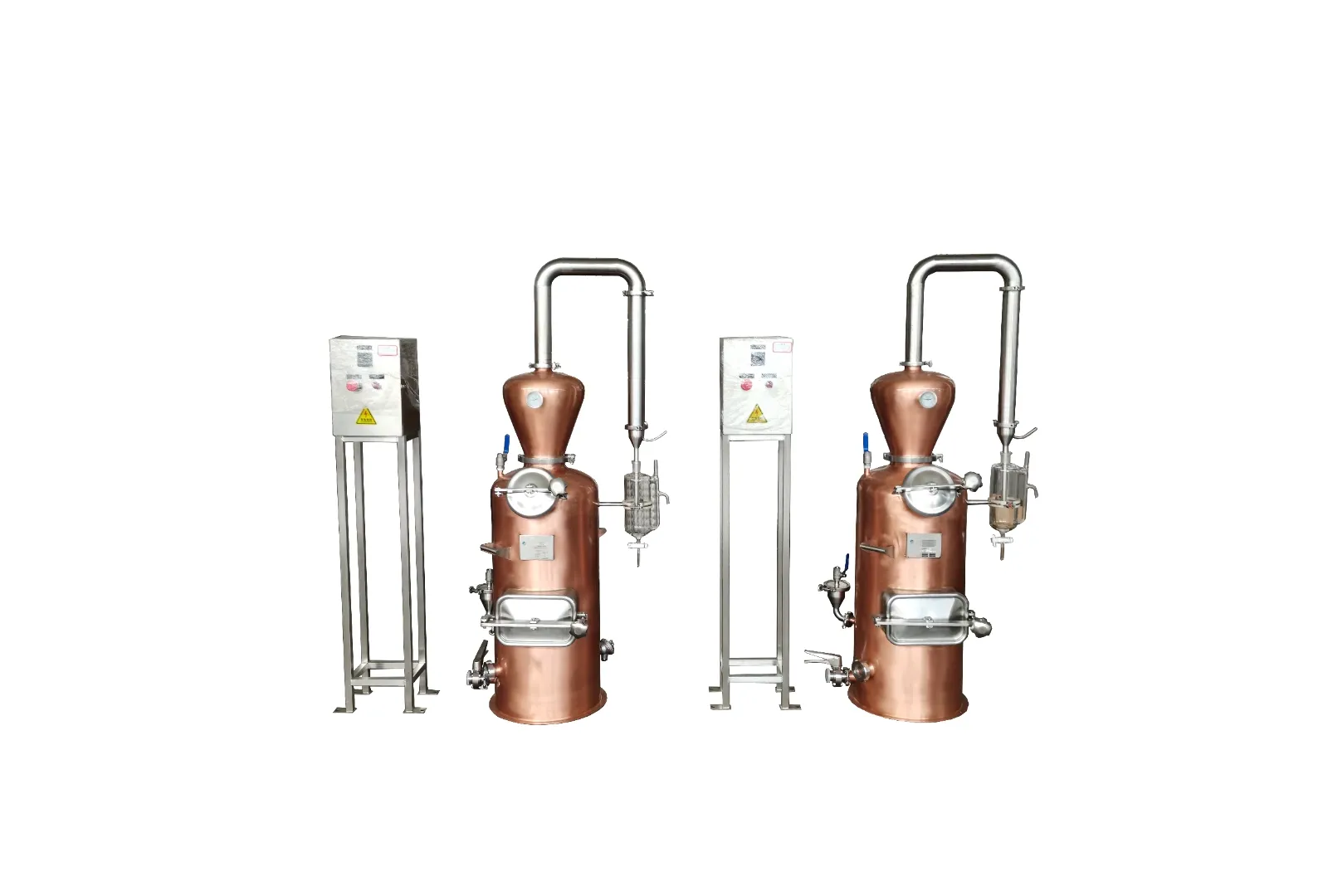
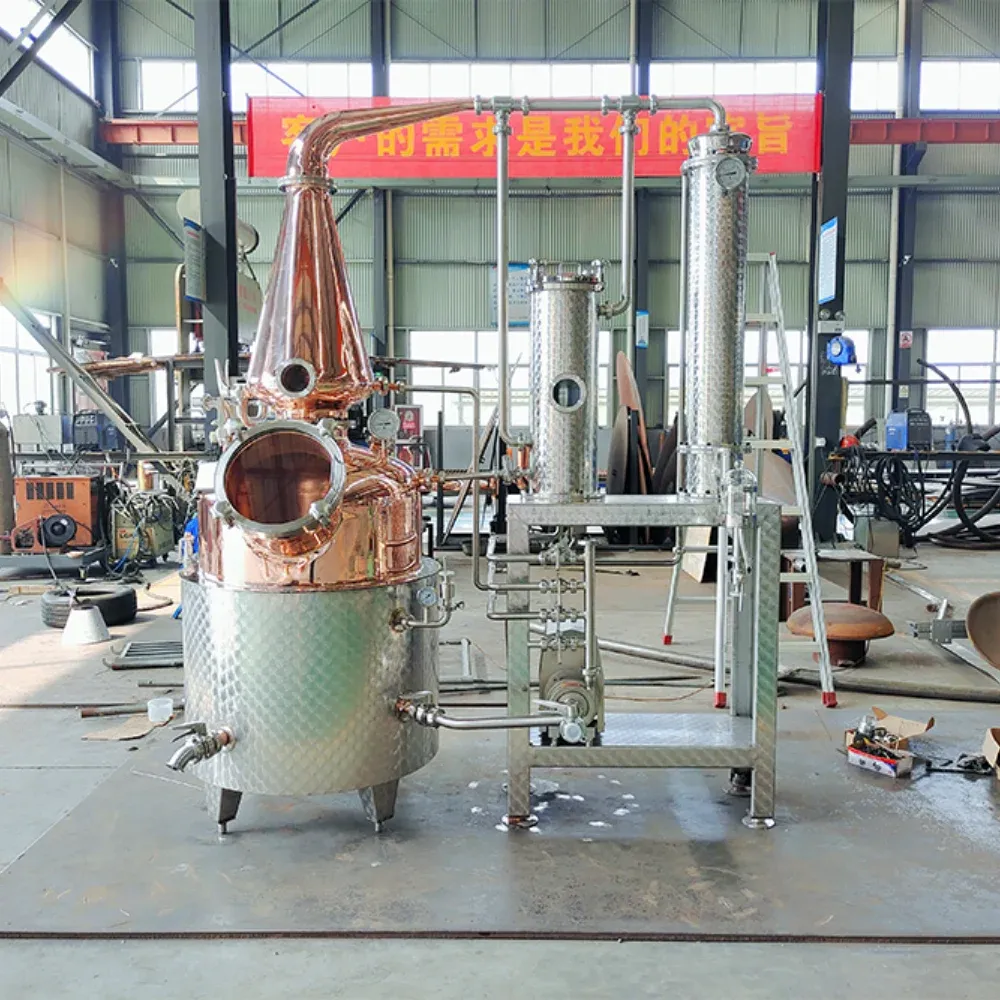
That copper pot still you've been picturing? Your largest single expense.
Setup | What's Included | Price |
|---|---|---|
Startup | 200L pot still, electric heat, 2 fermenters | $15k–$25k |
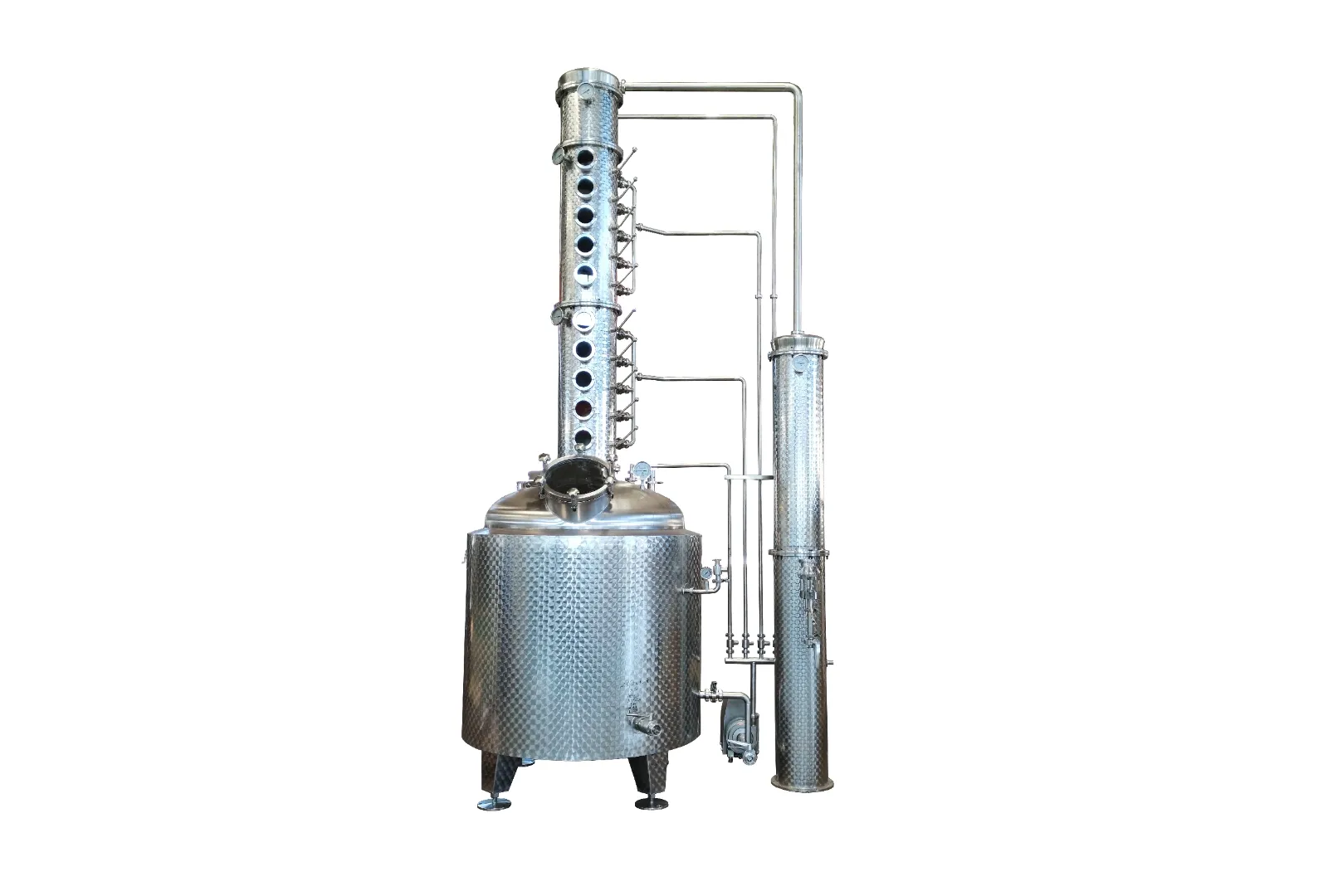
Growth | 500L steam, tower distillation, semi-auto | $30k–$60k |
Production | 1000L+ auto system, CIP | $80k–$150k |
Where people go wrong: Buying too big too soon. I've seen founders drop $100k on a 1000L system when their plan supports 200L for two years. Start smaller, prove product-market fit, then scale.Where they dangerously underspend: Cooling and ventilation. Budget 15-20% of your still cost for proper cooling — a still without it is a liability, not an asset.
2. Premises: 15-25%
You can't rent any warehouse. You need ceiling height, explosion-proof electrical, floor drains, and bonded storage for aging. Urban locations cost ~30% more than rural.Pro tip: Look for former food production or brewery spaces. They already have drains, heavy electrical, and proper zoning — at a fraction of raw warehouse cost.
3. Licensing: 5-10%
- US federal TTB: Free to apply, 6-12 month wait
- State licenses: $1k–$10k
- Legal fees: $3k–$10k
The real cost isn't money — it's time. Start permitting before you sign a lease or buy equipment.
4. Initial Stock: 5-10%
Grains, botanicals, bottles, labels, caps. Lean launch: $1.5k–$5k. Typical: $5k–$15k.Smart move: Start with unaged spirits (gin, vodka, white rum). Whiskey ties up cash for years before you see a return.
5. Branding: 5-15%
Logo, labels, website, launch event. Lean: $3k–$10k. Real presence: $10k–$30k.Don't cheap out on your label. In a crowded market, your bottle is your billboard. A $500 label looks like a $500 label — customers notice.
6. Working Capital: 15-25%
The silent killer. Covers rent, payroll, stock replenishment, and that first excise tax bill that arrives before your first big sales check.Rule of thumb: 6 months of operating expenses with zero revenue. Sounds conservative. You'll be glad for it.
A Real Example: $113,800
表格
Item | Cost |
|---|---|
Premises deposit + fit-out | $22,000 |
Equipment | $48,000 |
Licenses & permits | $2,500 |
Initial stock + packaging | $9,000 |
Marketing + branding | $6,000 |
Professional fees | $4,500 |
Insurance | $1,800 |
Working capital | $20,000 |
Total | $113,800 |
Small craft range. Not glamorous, but realistic — enough to get from "I have an idea" to "we're selling bottles."
3 Mistakes That Kill First-Timers
#1: Buying equipment before you know your product
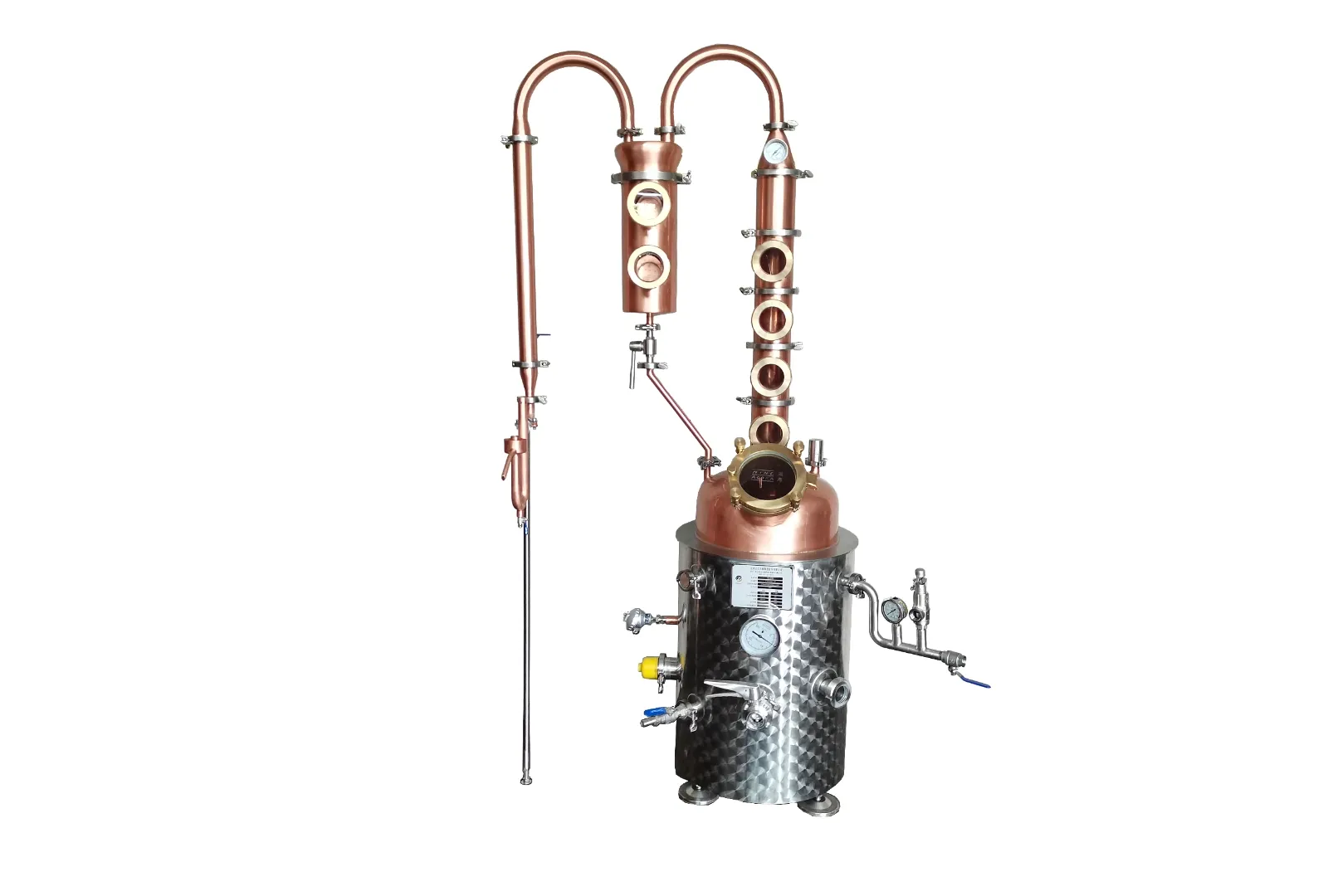
Pot still for whiskey/gin. Column still for vodka. Hybrid for flexibility — but flexibility costs more and needs more skill. Don't buy a still because it looks good in photos.#2: Underestimating time to revenue
6-18 months from permit to first sale. That's rent and loan payments with zero incoming cash. Plan for it.#3: Ignoring the "boring" costs
Insurance, bookkeeping, compliance records, waste disposal. A distillery without proper insurance is one accident from bankruptcy. One without clean books is one audit from disaster.
Break-Even Reality
- Gin/vodka: 12–24 months (fast cash conversion)
- Whiskey: 3–7 years (barrel aging ties up everything)
- Hybrid (gin now, whiskey aging): 18–36 months to operational break-even
The distilleries that survive planned for this timeline. The ones that didn't hoped for faster.
Bottom Line
The question isn't "how much to start a distillery?" It's "how much to start my distillery?"
- Nano: $15k–$50k (limited growth)
- Small craft: $60k–$150k (sweet spot for most first-timers)
- Mid-size: $150k–$500k (serious business)
- Premium/whisky: $500k+ (patient capital required)
Size your equipment to your actual sales plan, not your dream sales plan. Keep cash in reserve for the gap between "open" and "profitable."
Ready to Size Your System?
If you're planning and figuring out what capacity actually fits your budget and production goals — that's exactly what we do. Turnkey systems from 10L pilot to 5000L commercial, plus the honest advice to help you avoid the "buy too big, regret too soon" trap.[Request a Free Equipment Consultation →] (链到询盘页)Not ready? Check out [how to size a distillery for your annual output] (内链) — we'll help you translate "I want to make whiskey" into "I need a 300L pot still with a 4-plate reflux column."
Quick FAQ
Q: Can I start from home?
A: Some jurisdictions allow it with strict volume limits. Most commercial operations need dedicated premises for zoning and insurance.
Q: Minimum equipment needed?
A: Mash source, fermenters, still, basic bottling, cleaning gear. Everything else is optimization.
Q: Used equipment — worth it?
A: Sometimes, but hidden wear and missing documentation can make permitting harder. For first setups, new with CE certification and manufacturer support is usually worth the premium.
Q: How long total?
A: 6–18 months from plan to first sale. Permitting alone: 4-12 weeks (UK) to 6-12 months (US TTB).
Q: Pot still or column still first?
A: Pot for whiskey/gin. Column for vodka/neutral. Hybrid if you want flexibility — but it costs more and needs more skill.